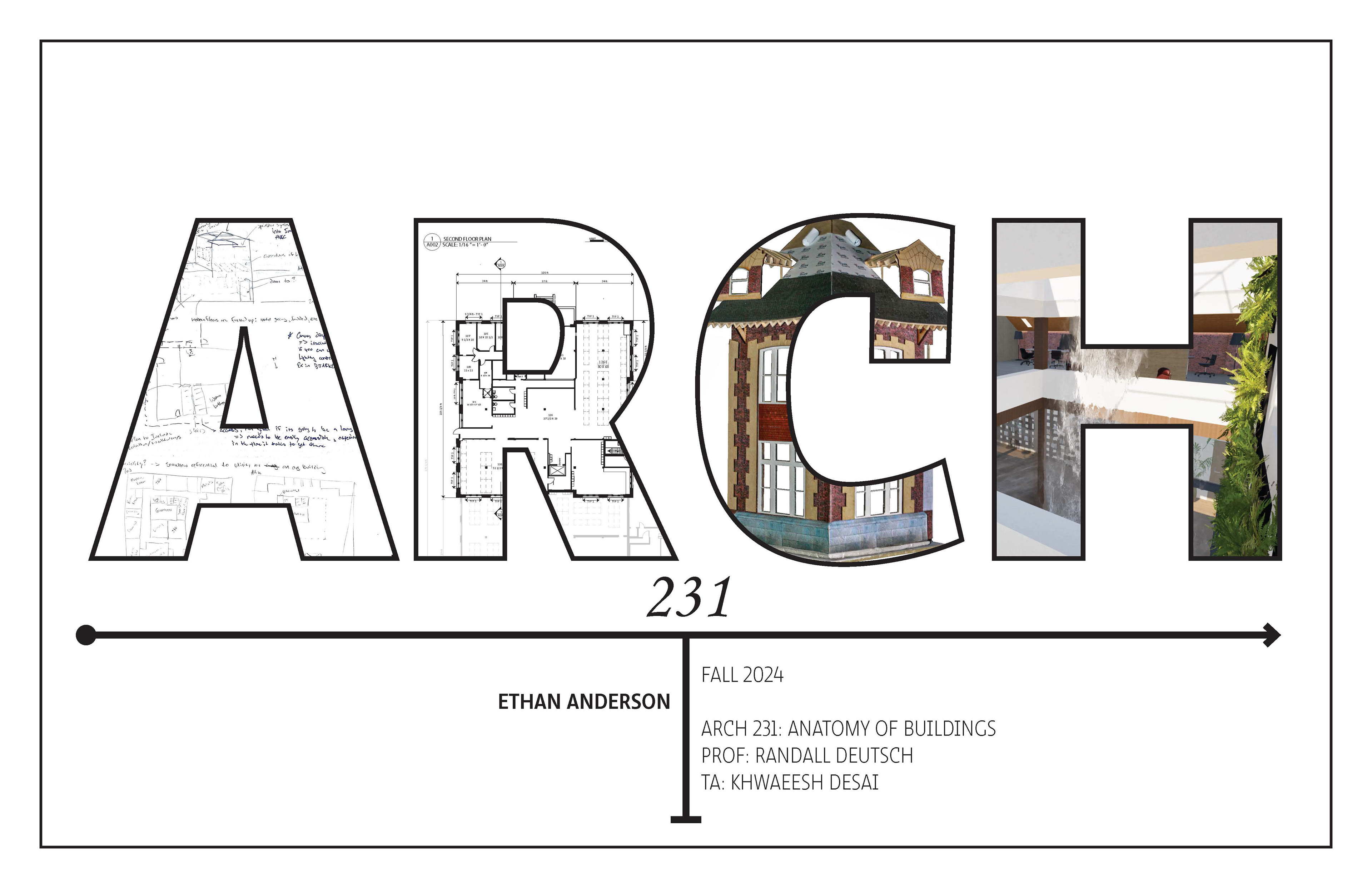
Design Intervention: OPEN SECRETS
An Adaptive Reuse Project
A revitalization of the abandoned upper floors of the Architecture
Annex, transforming them into a hidden oasis for relaxation and
collaboration.
The currently abandoned space is in a severe state of disrepair. This
intervention explores how this hidden gem could be recovered, utilizing an
open concept floor plan and principles of adaptive reuse.
A revitalization of the abandoned upper floors of the Architecture
Annex, transforming them into a hidden oasis for relaxation and
collaboration.
The currently abandoned space is in a severe state of disrepair. This
intervention explores how this hidden gem could be recovered, utilizing an
open concept floor plan and principles of adaptive reuse.
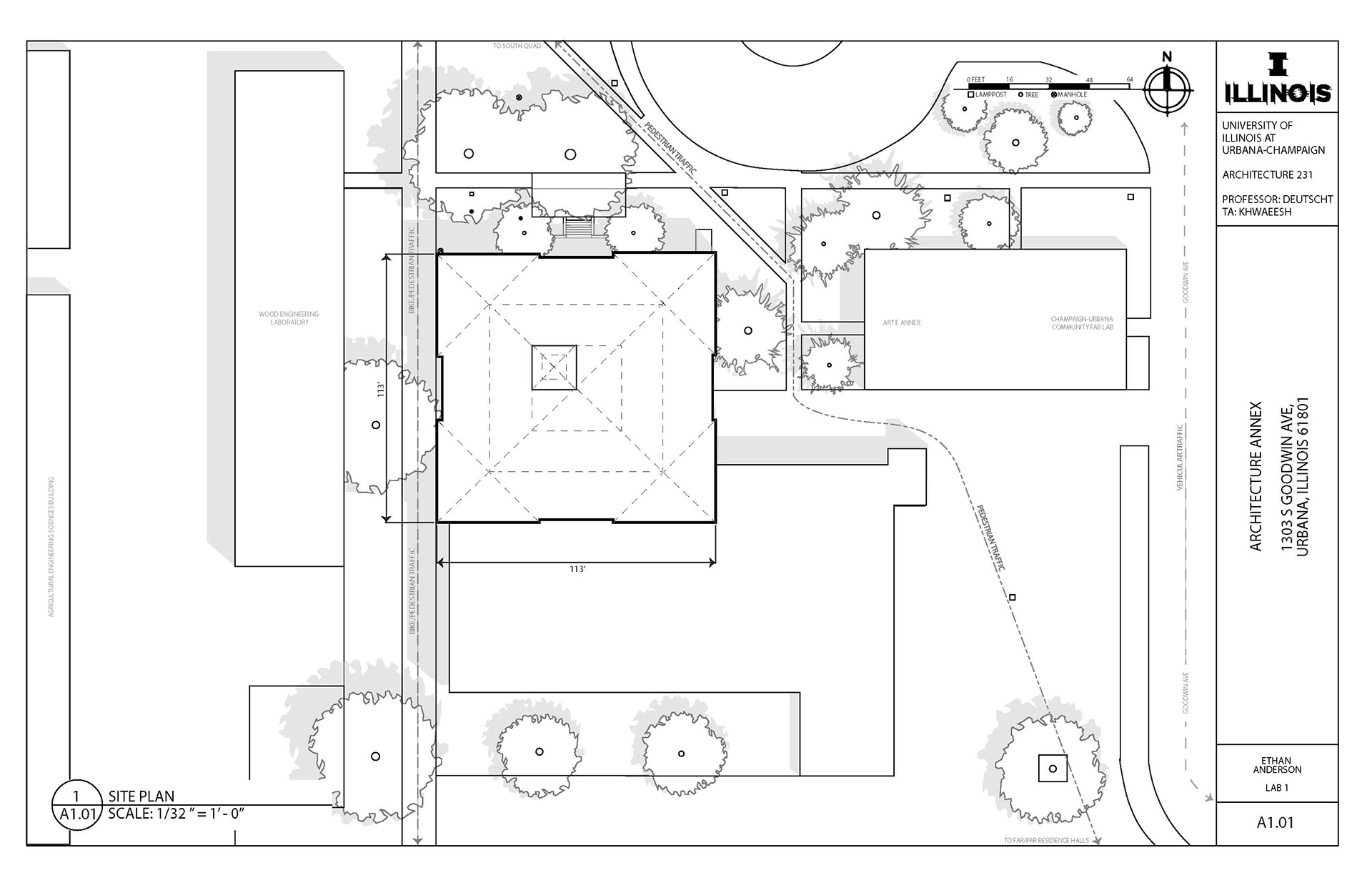
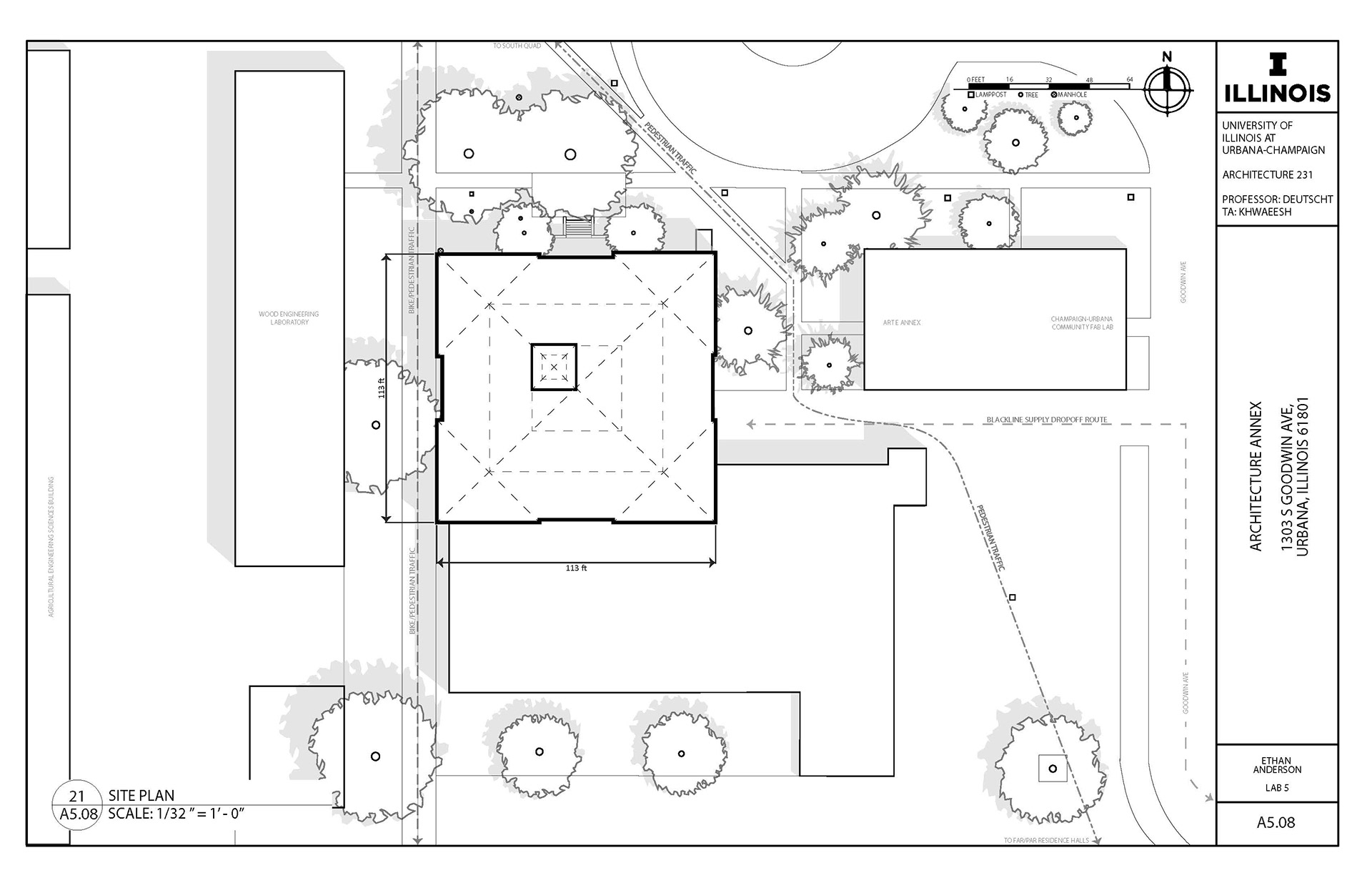
Site Plan:
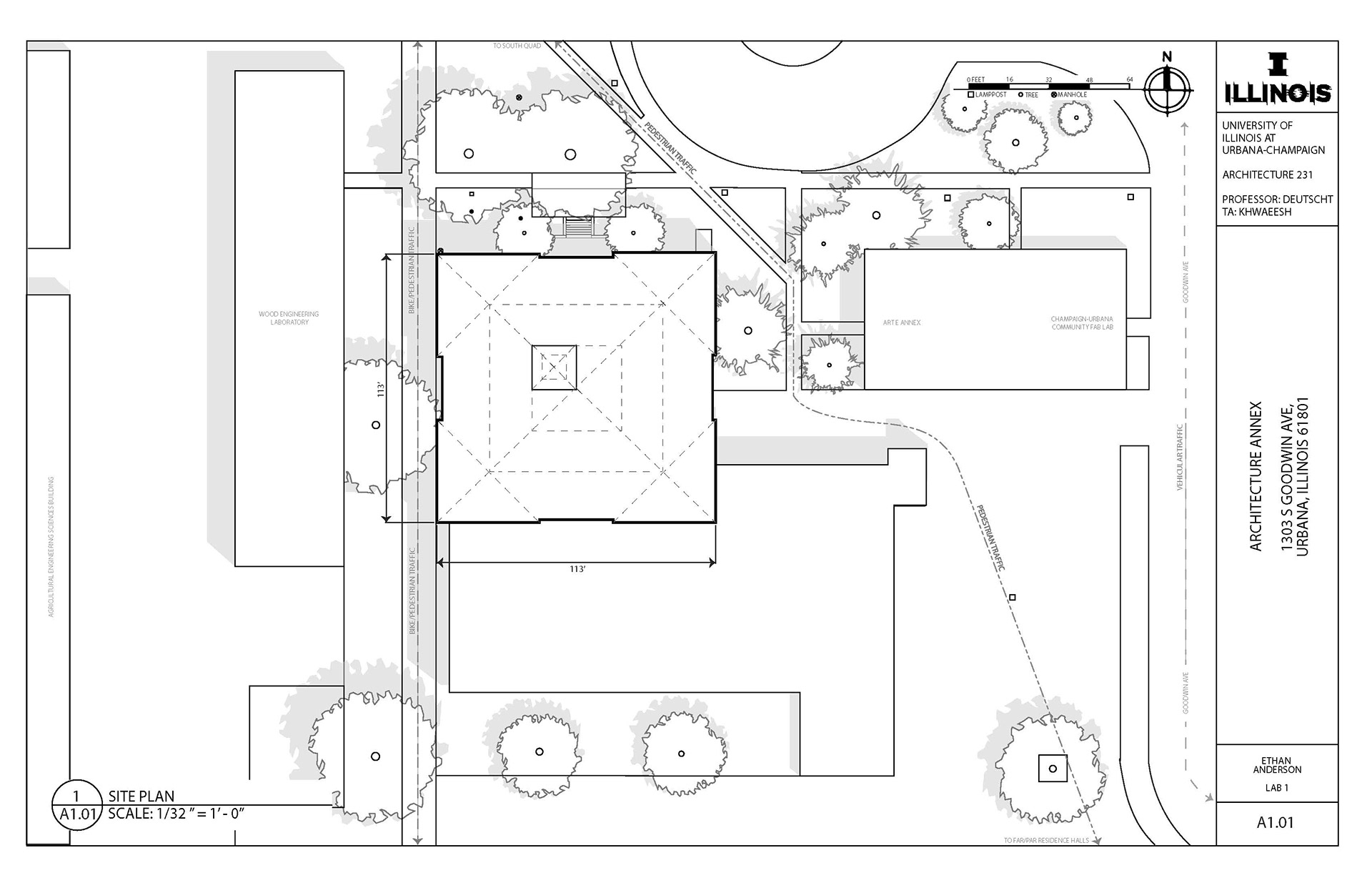
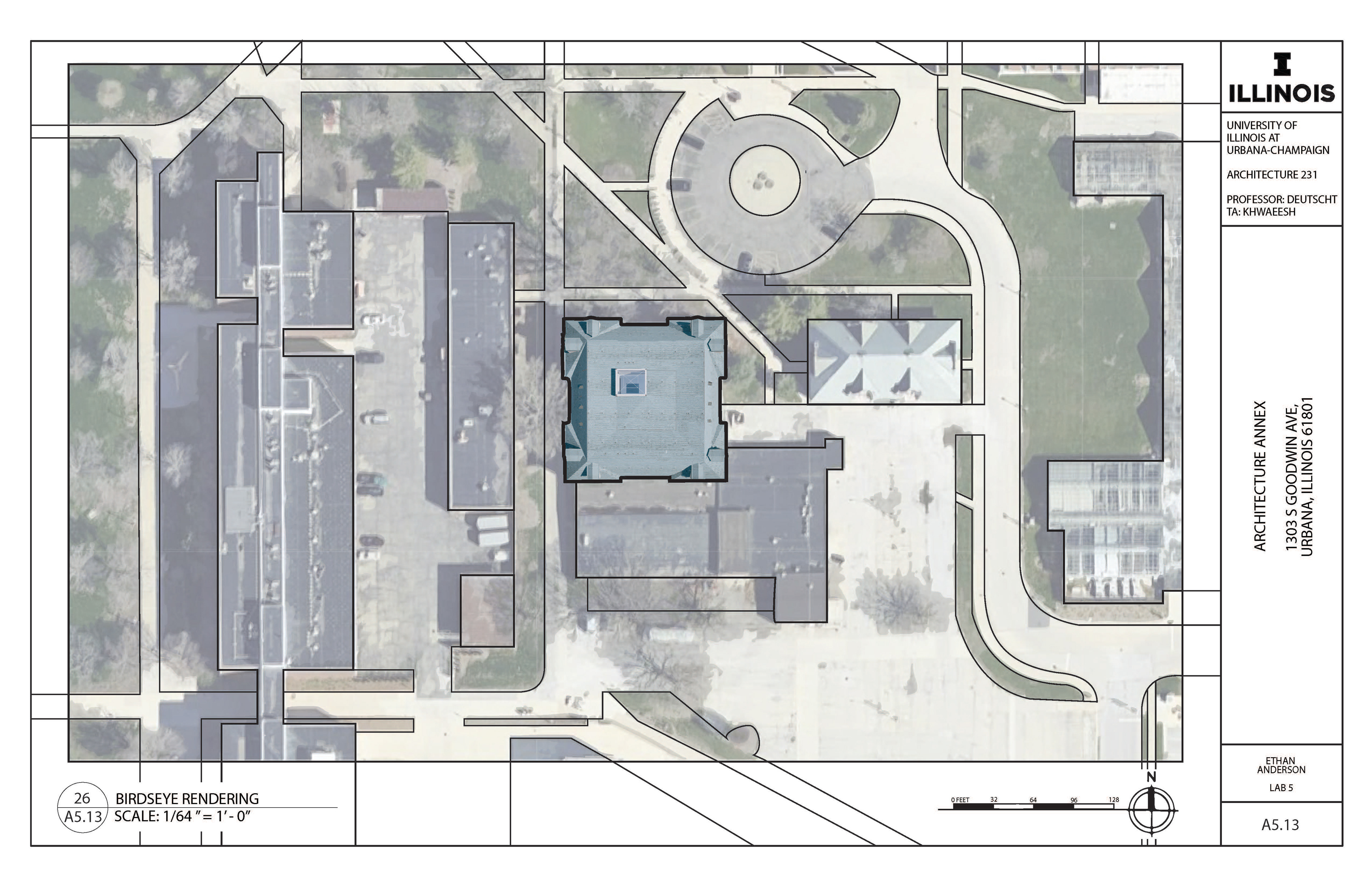
The Annex is located in an urban
environment with significant
foot and bike traffic from North
to Southeast. As it currently
stands, there is no hint as to the
treasure hidden inside.
The Annex is located in an urban
environment with significant
foot and bike traffic from North
to Southeast. As it currently
stands, there is no hint as to the
treasure hidden inside.
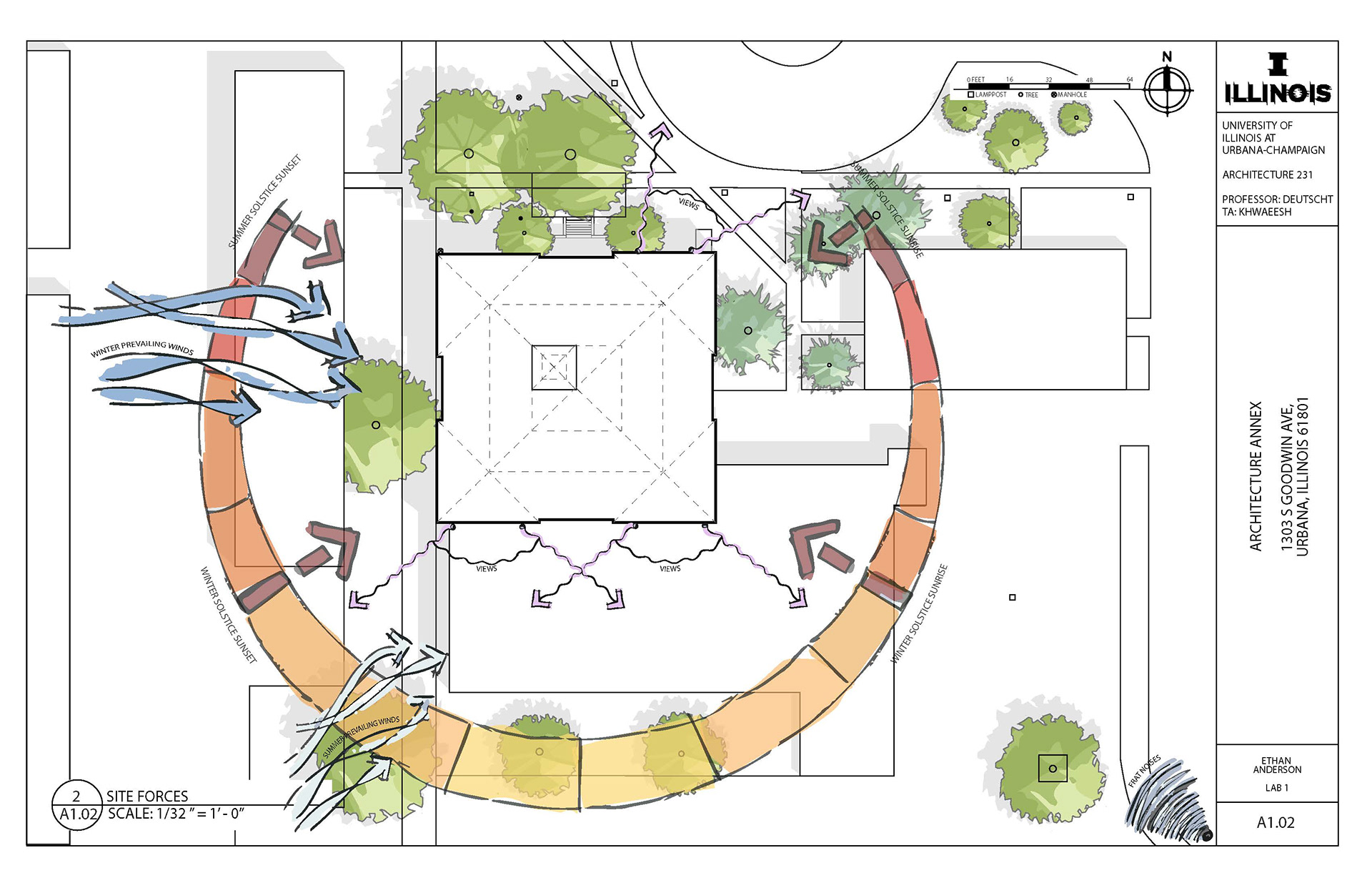
Site Forces:
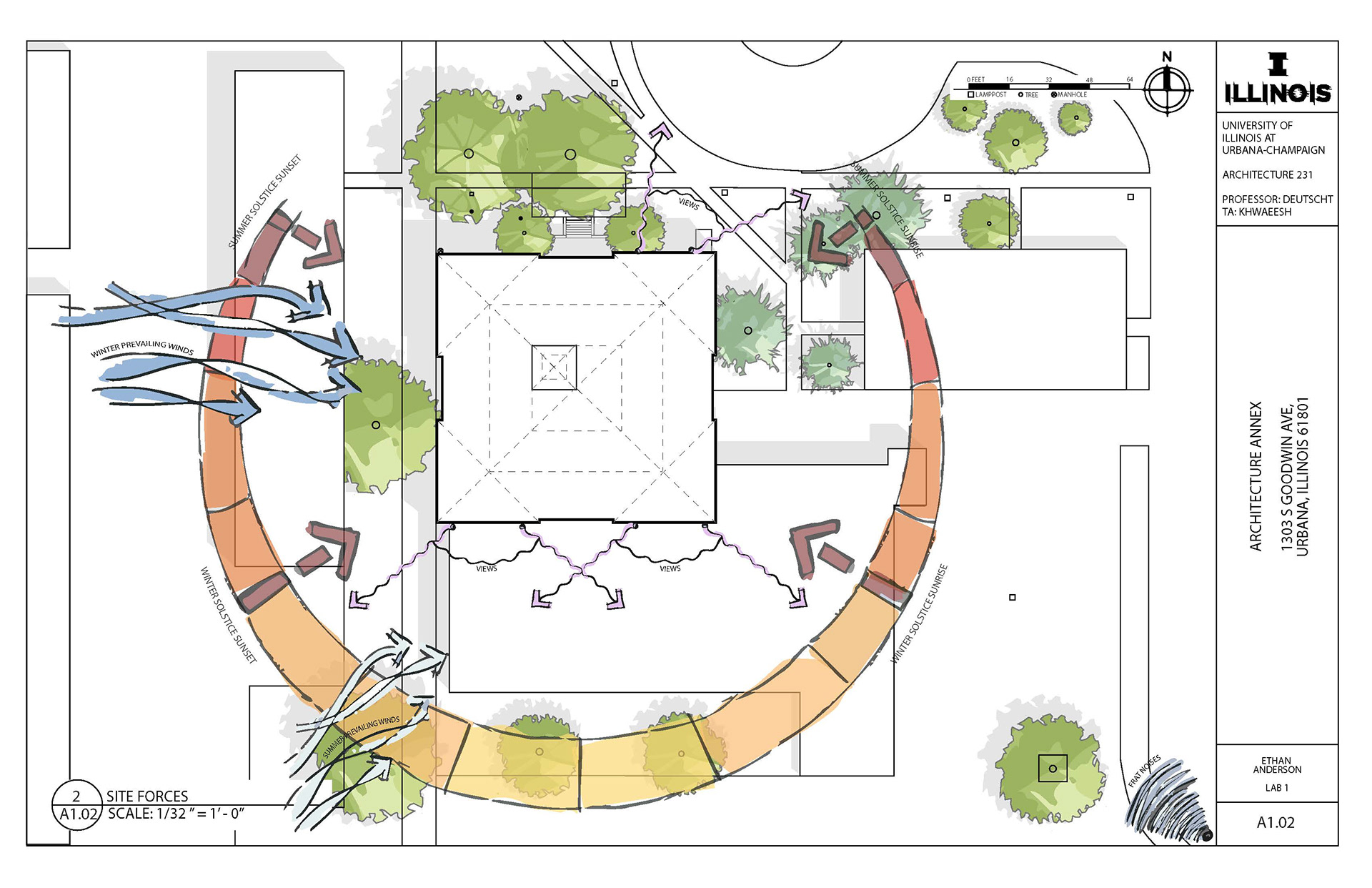
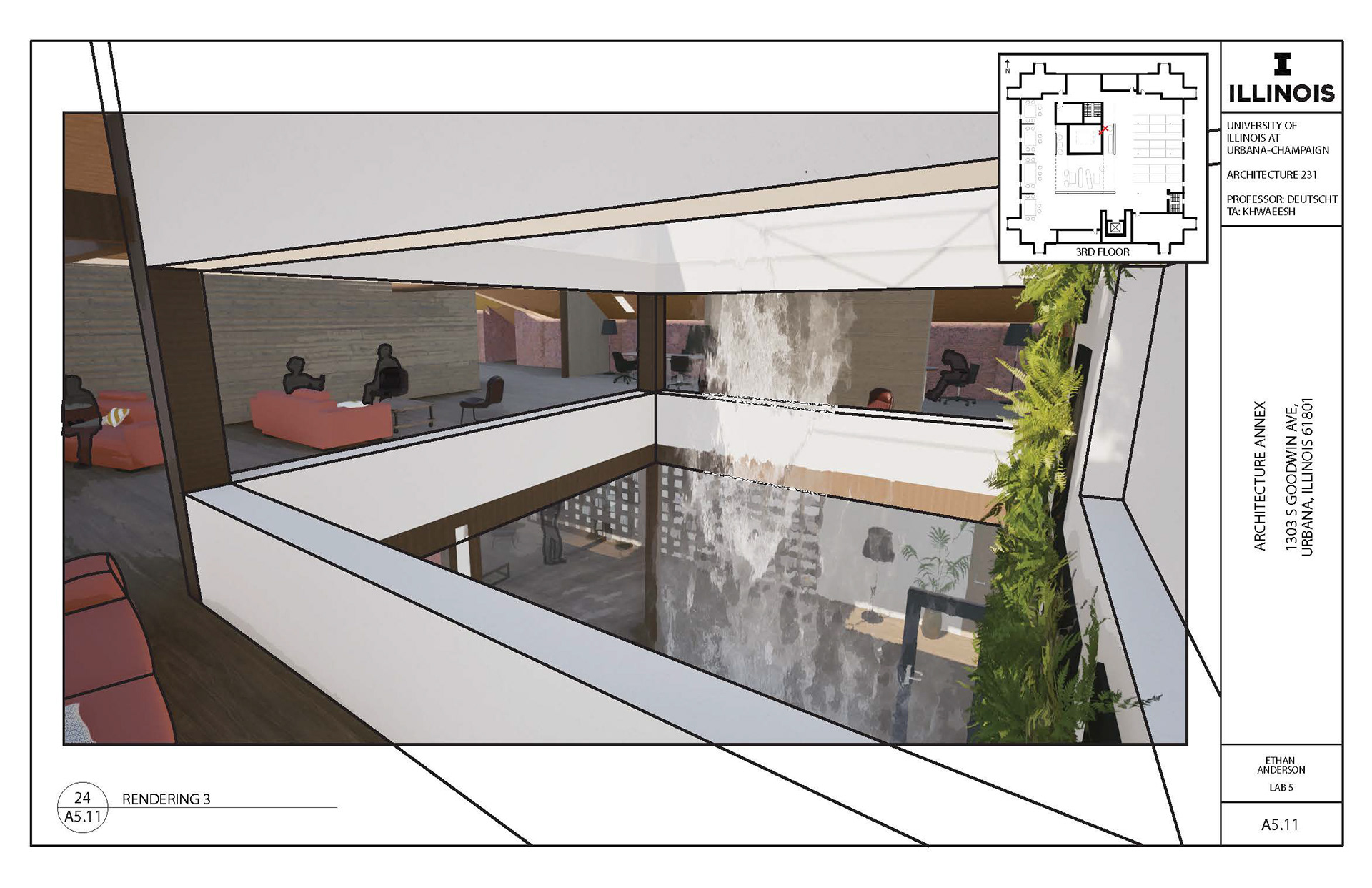
Sunlight from the south filters
through the 3rd floor into the
2nd floor via a ‘Light Court’,
creating the rare experience
of natural light at the buildings
core. This distinctive feature
become the focal point of my
efforts to highlight and revitalize
the space.
Sunlight from the south filters
through the 3rd floor into the
2nd floor via a ‘Light Court’,
creating the rare experience
of natural light at the buildings
core. This distinctive feature
become the focal point of my
efforts to highlight and revitalize
the space.
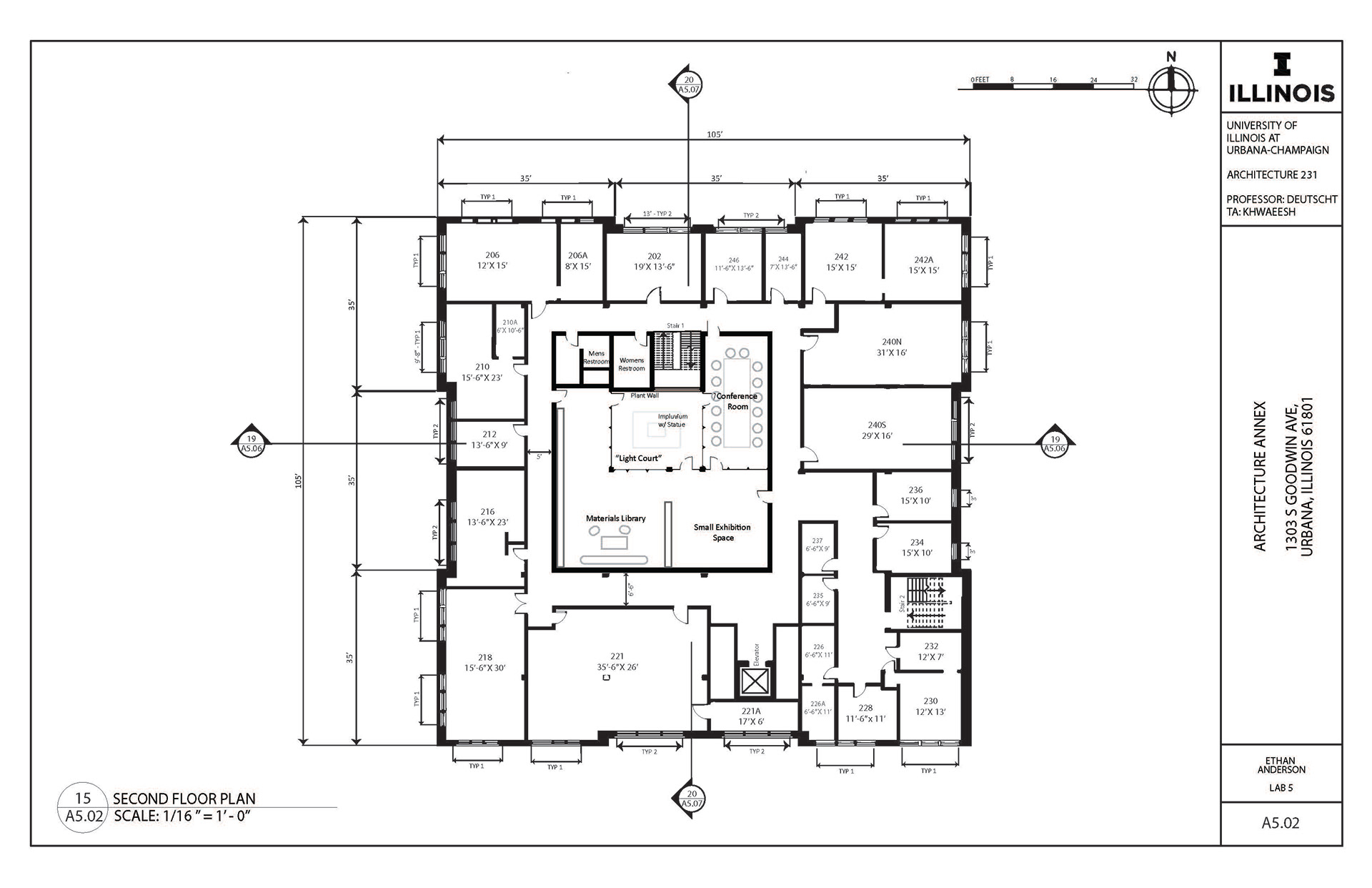
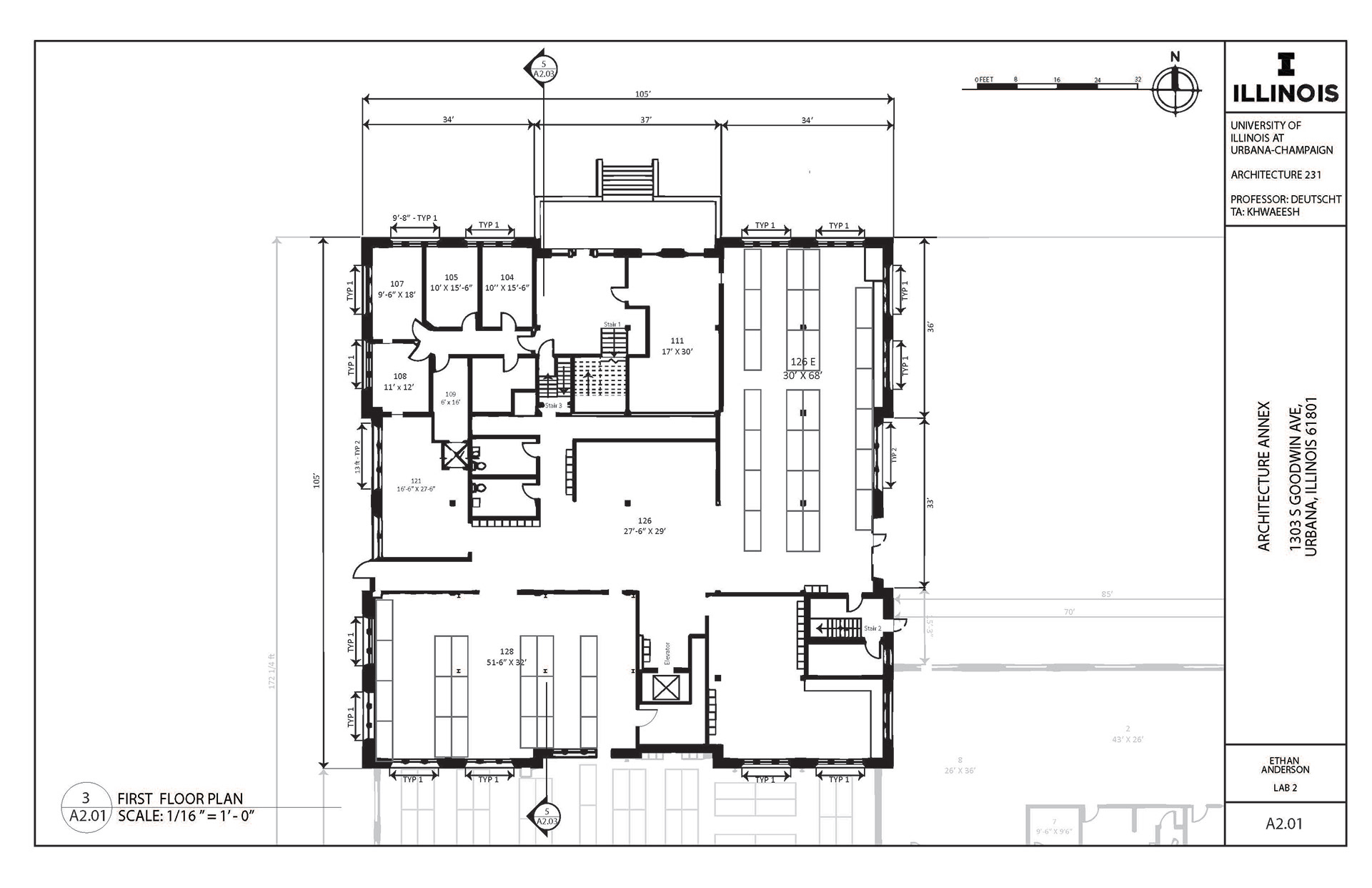
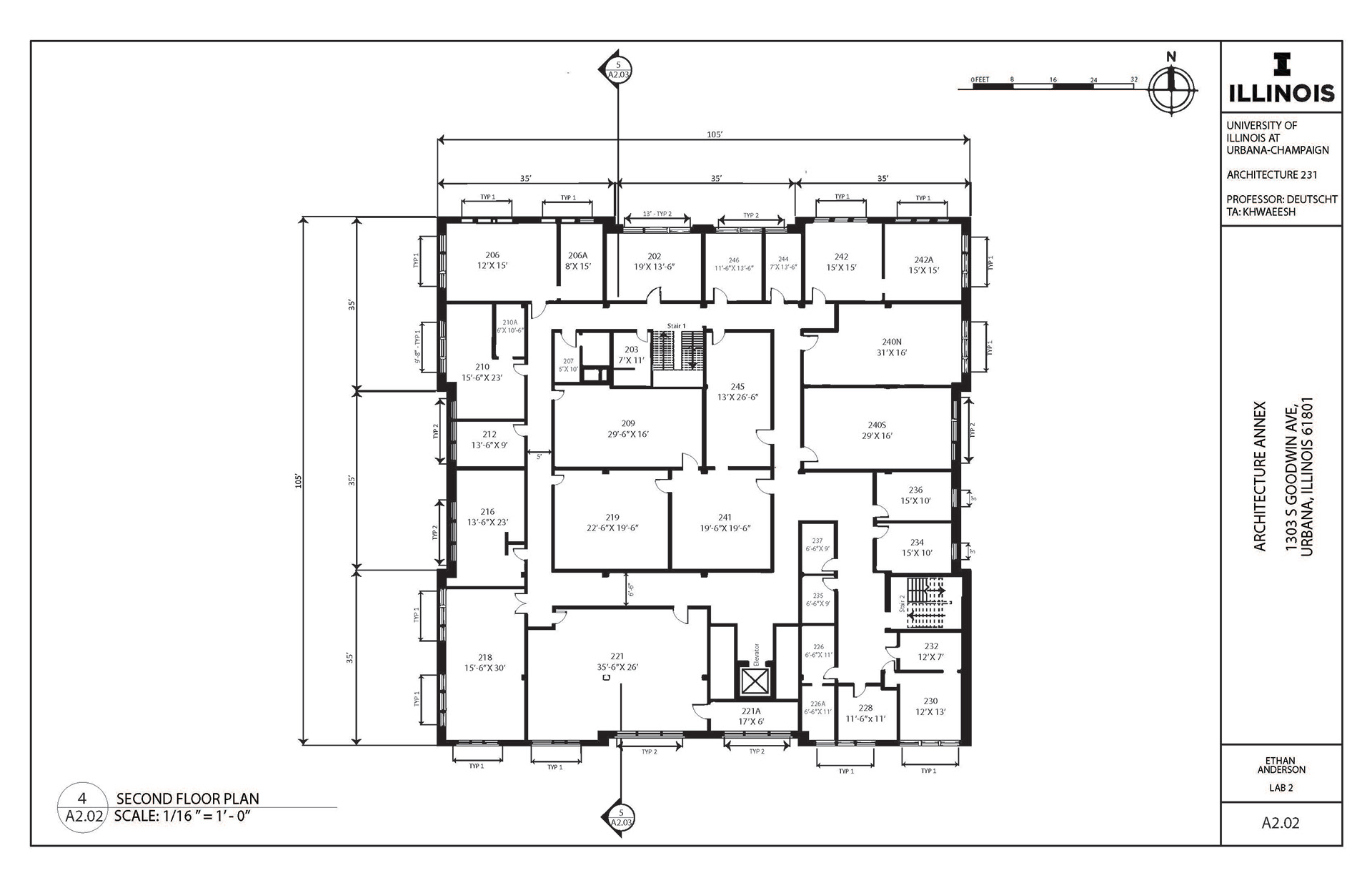
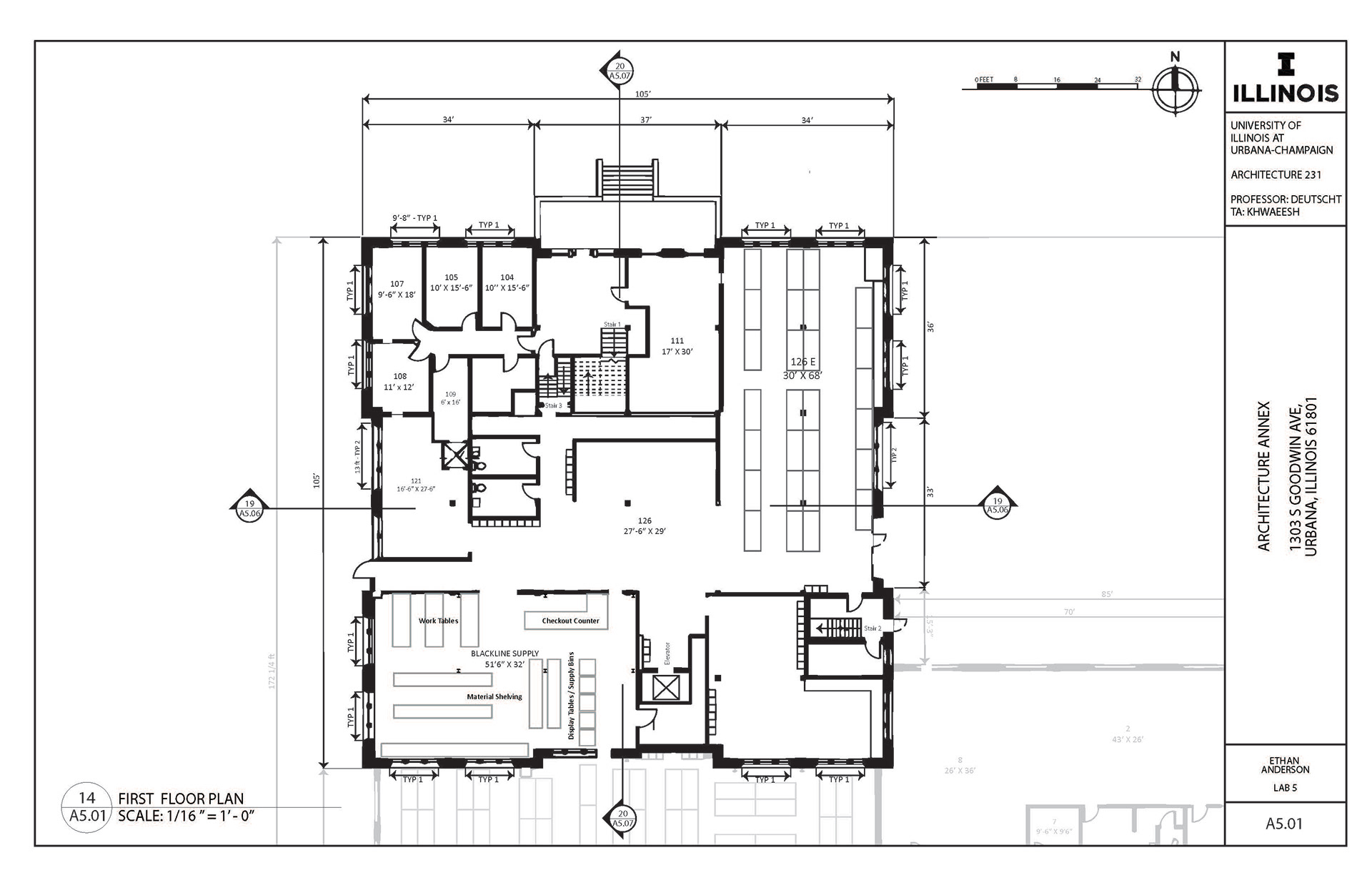
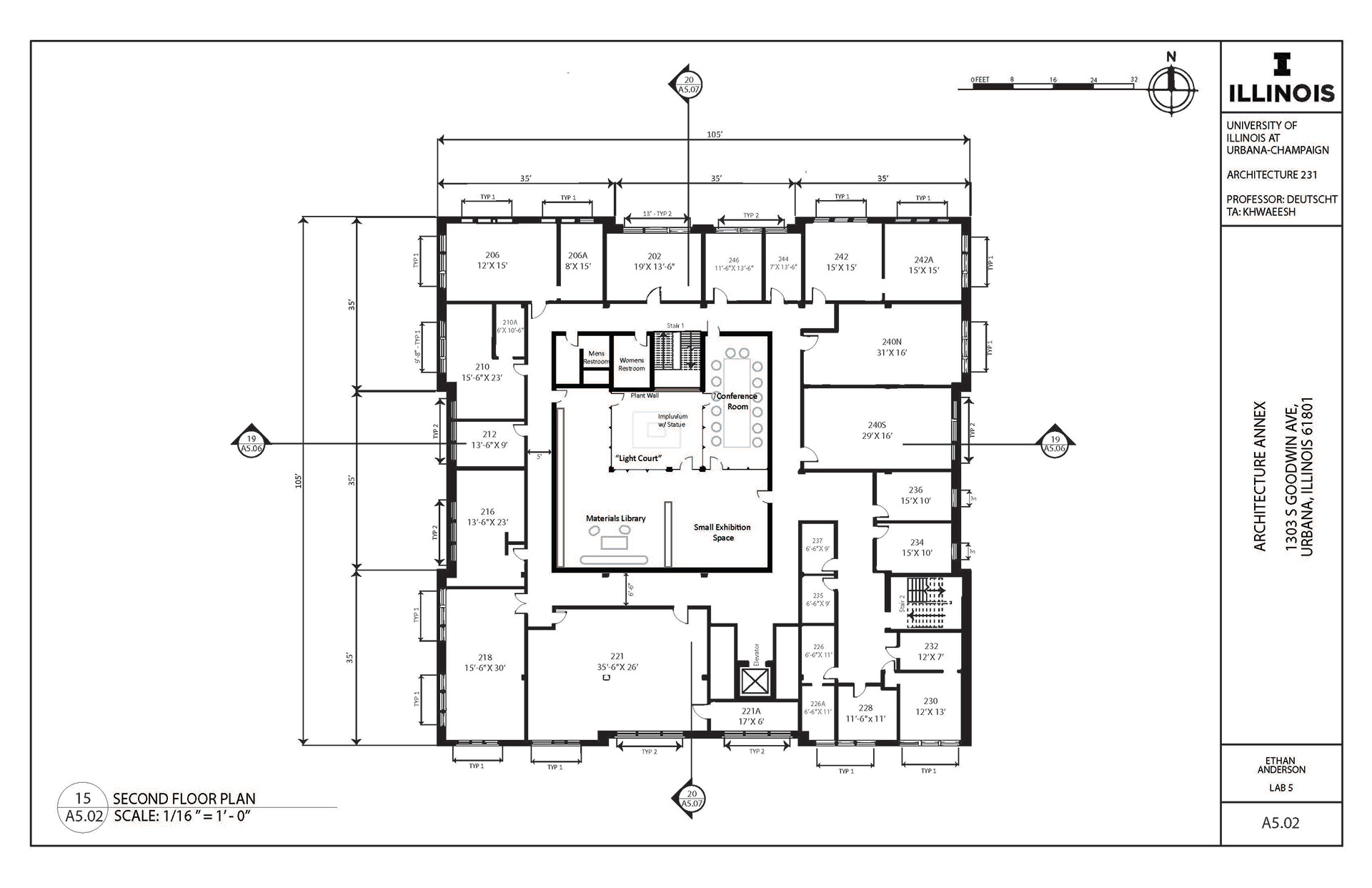
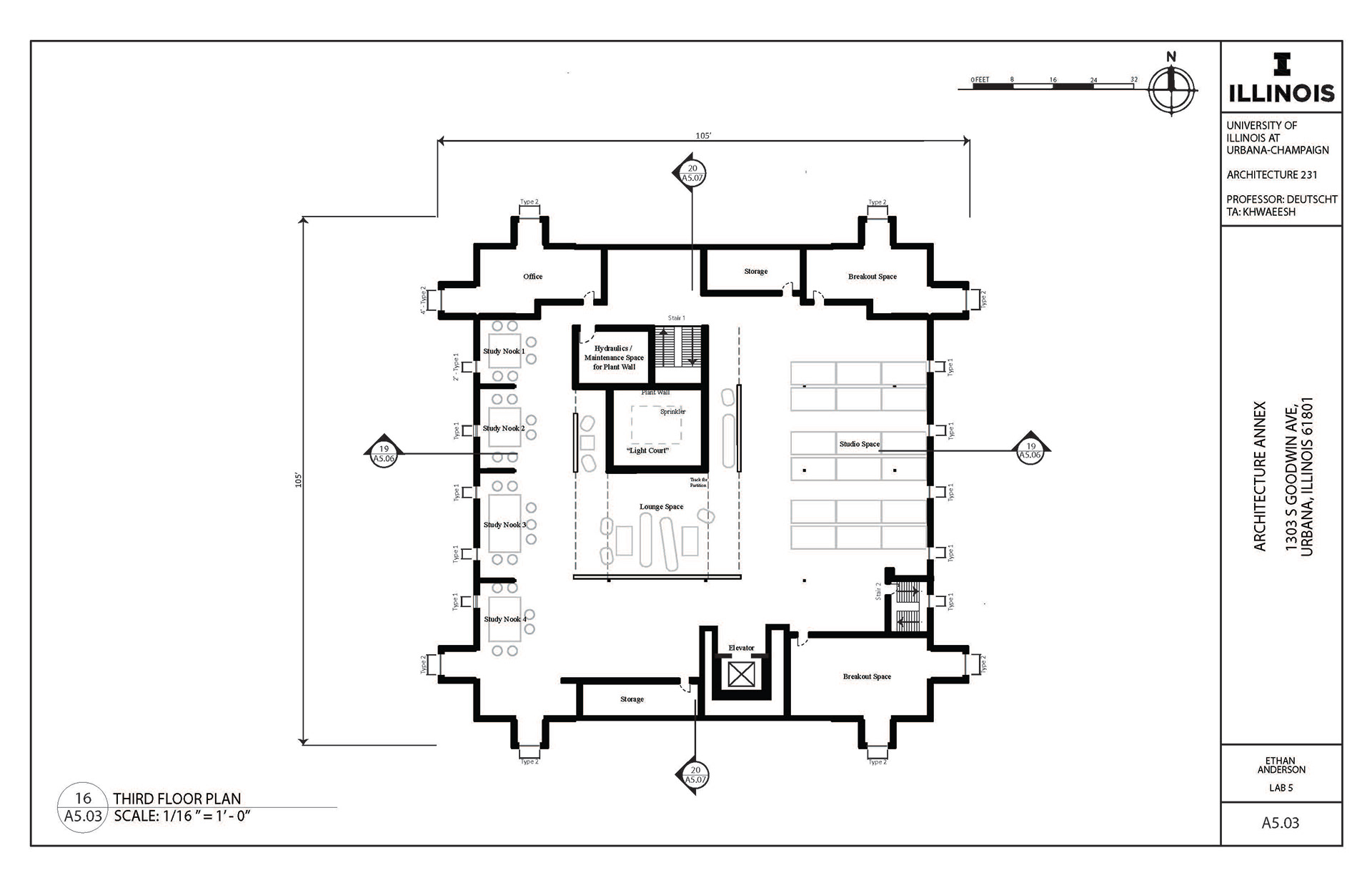
Floor Plan:
The floor plans illustrate a restructured space designed as
a flexible haven for students. Situated above an architecture
studio, the space leverages natural light and vegetation to foster
attention restoration and wellbeing. It provides a comfortable
environment where students can recharge, collaborate, and cultivate
the relationships that strengthen studio culture.
a flexible haven for students. Situated above an architecture
studio, the space leverages natural light and vegetation to foster
attention restoration and wellbeing. It provides a comfortable
environment where students can recharge, collaborate, and cultivate
the relationships that strengthen studio culture.
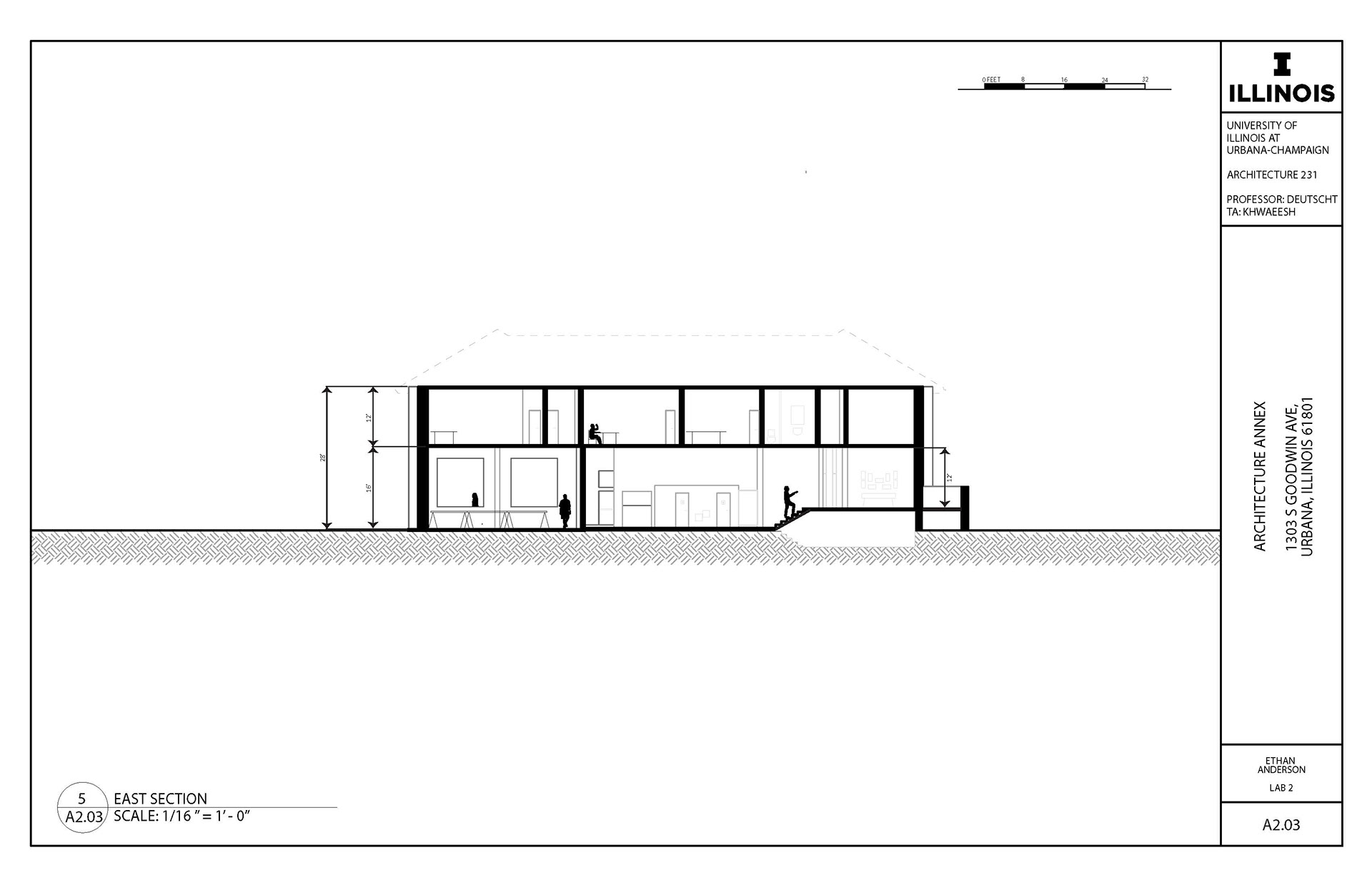
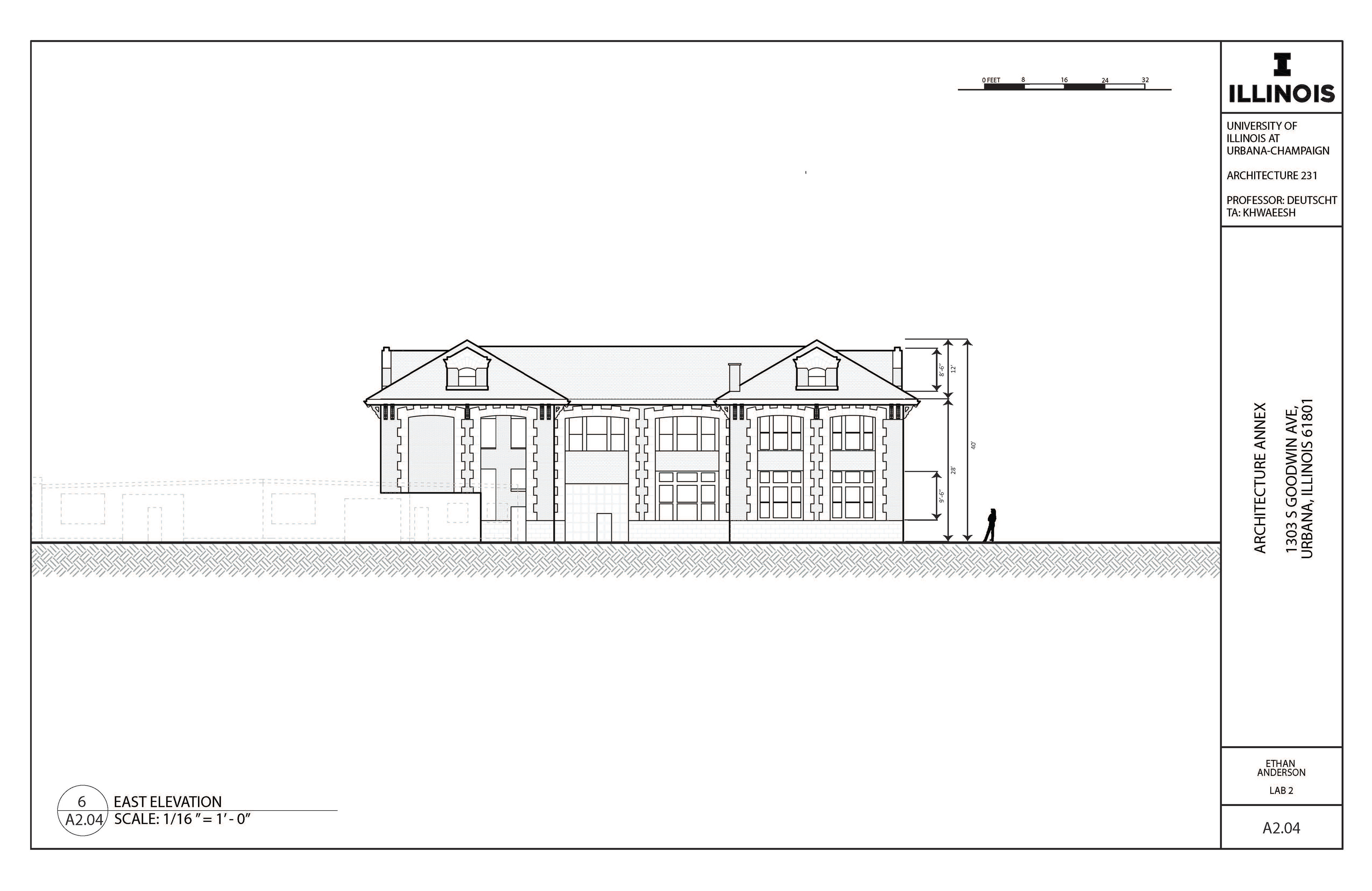
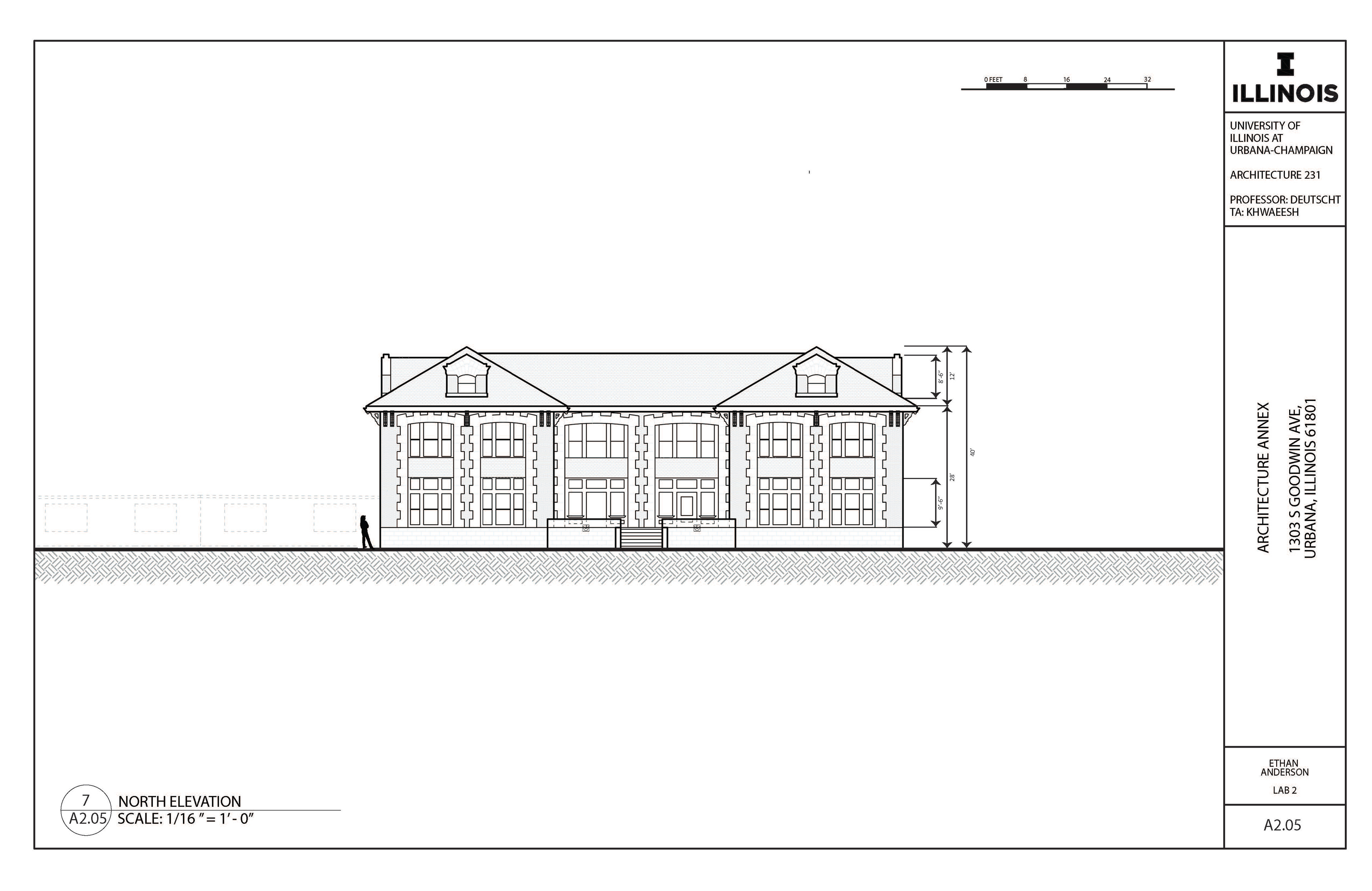
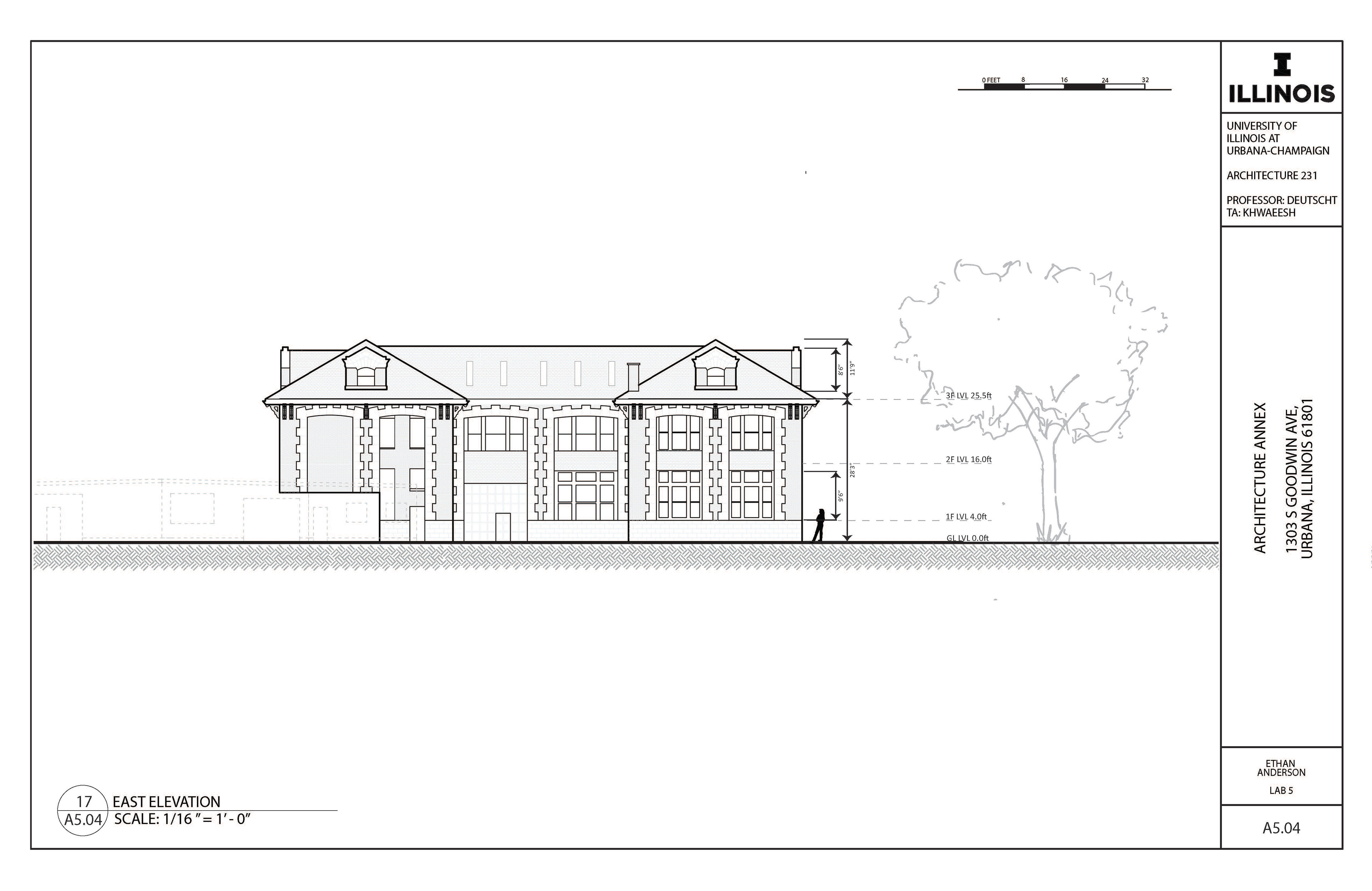
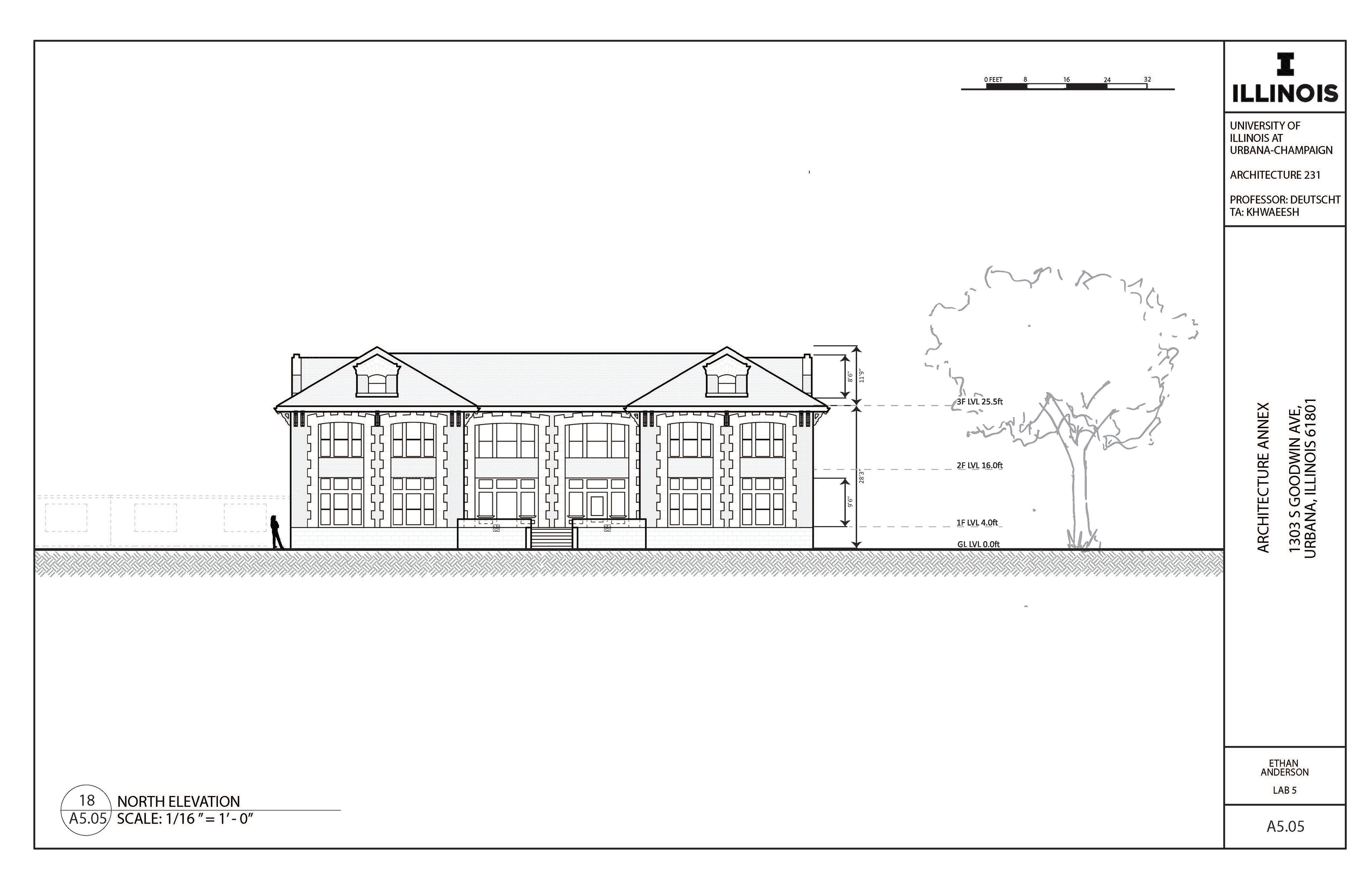
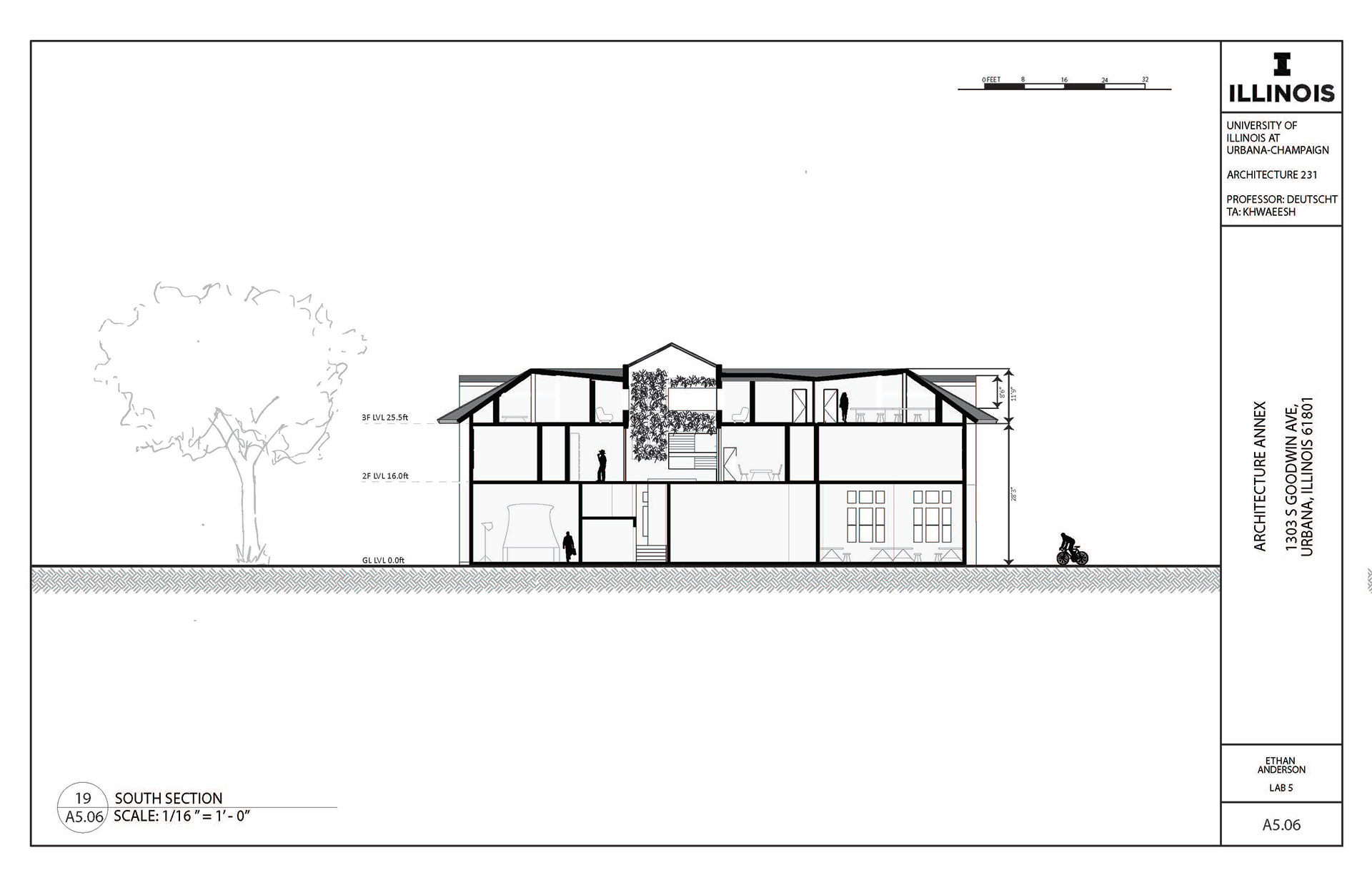
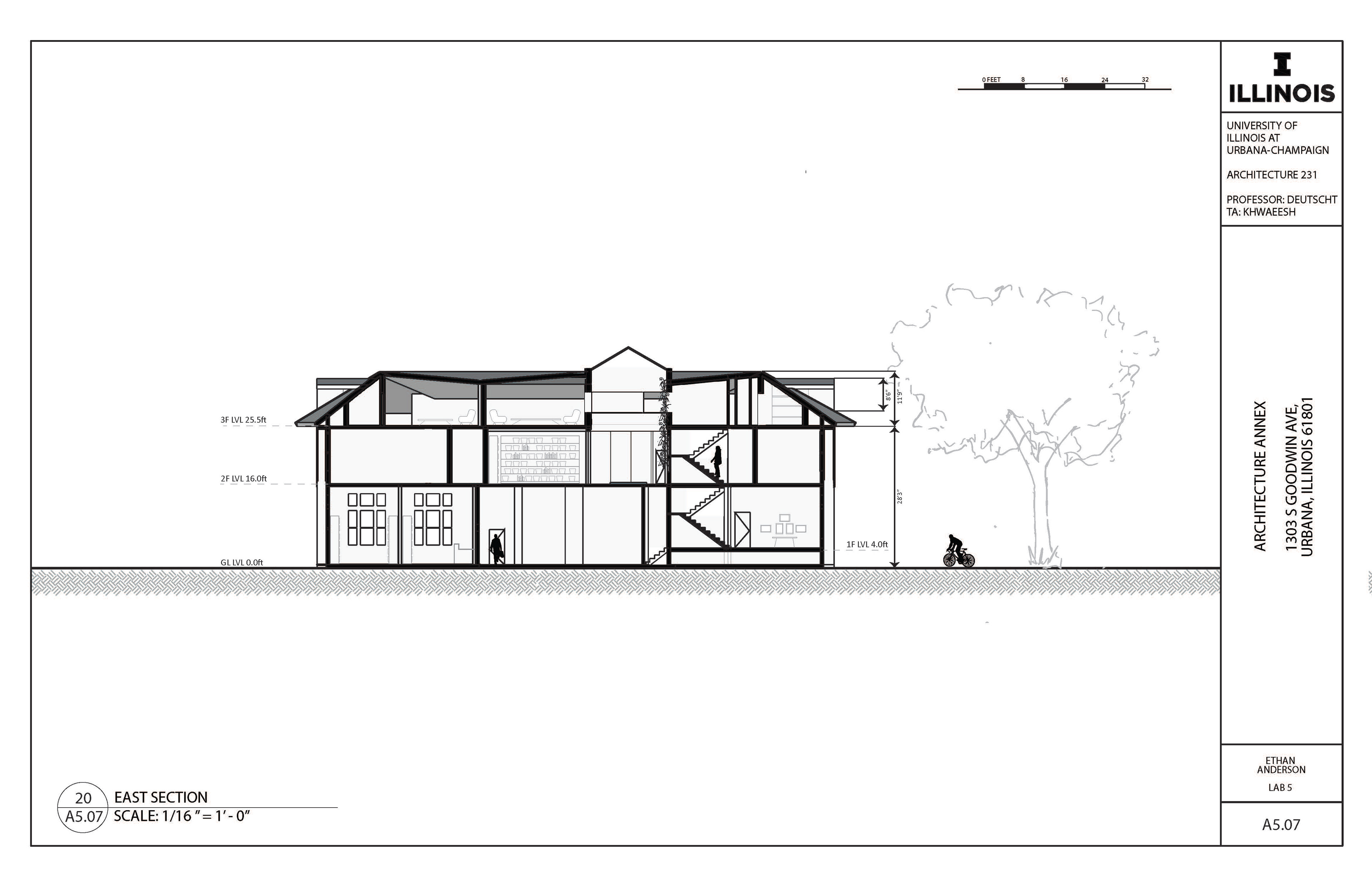
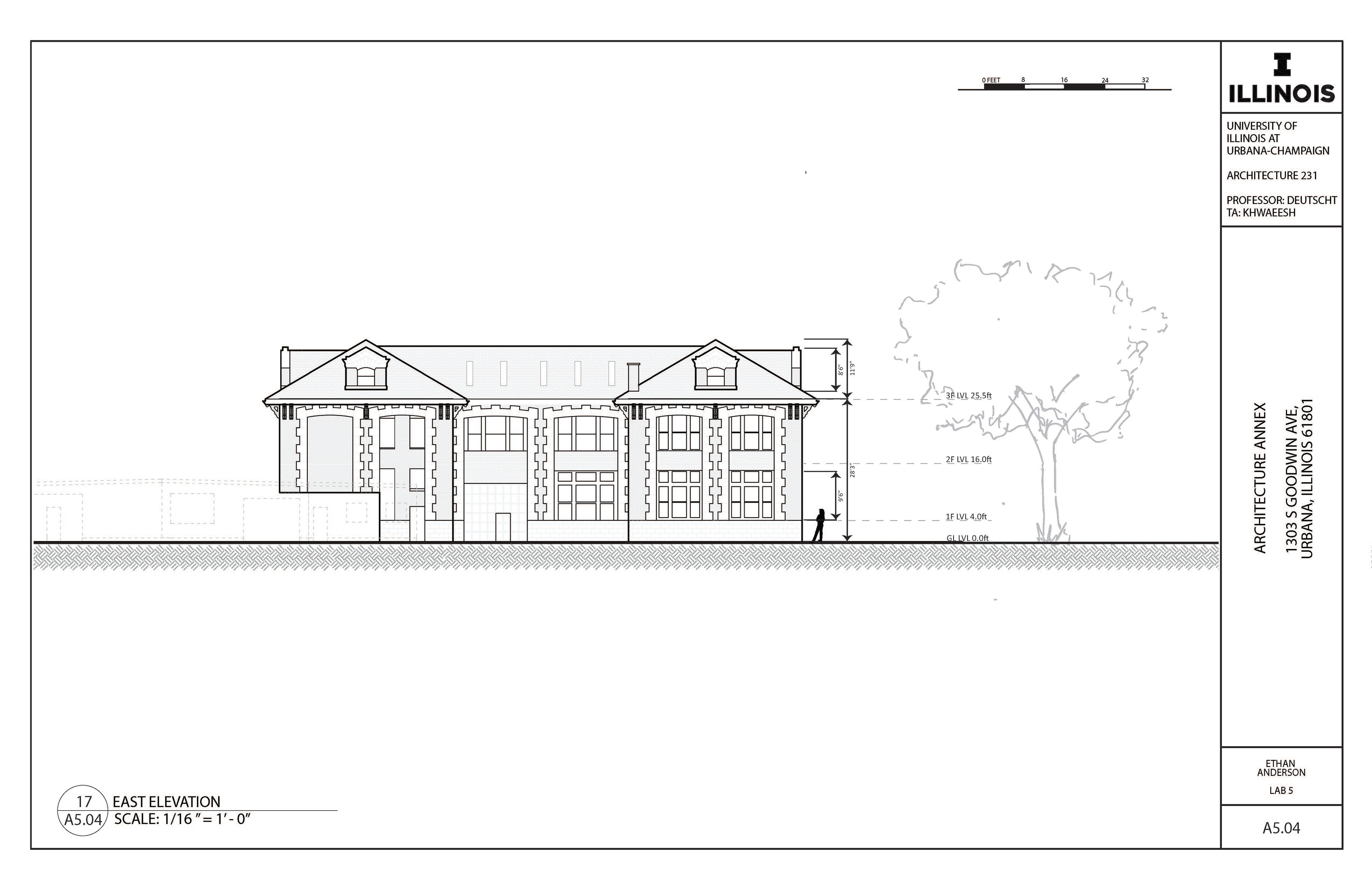
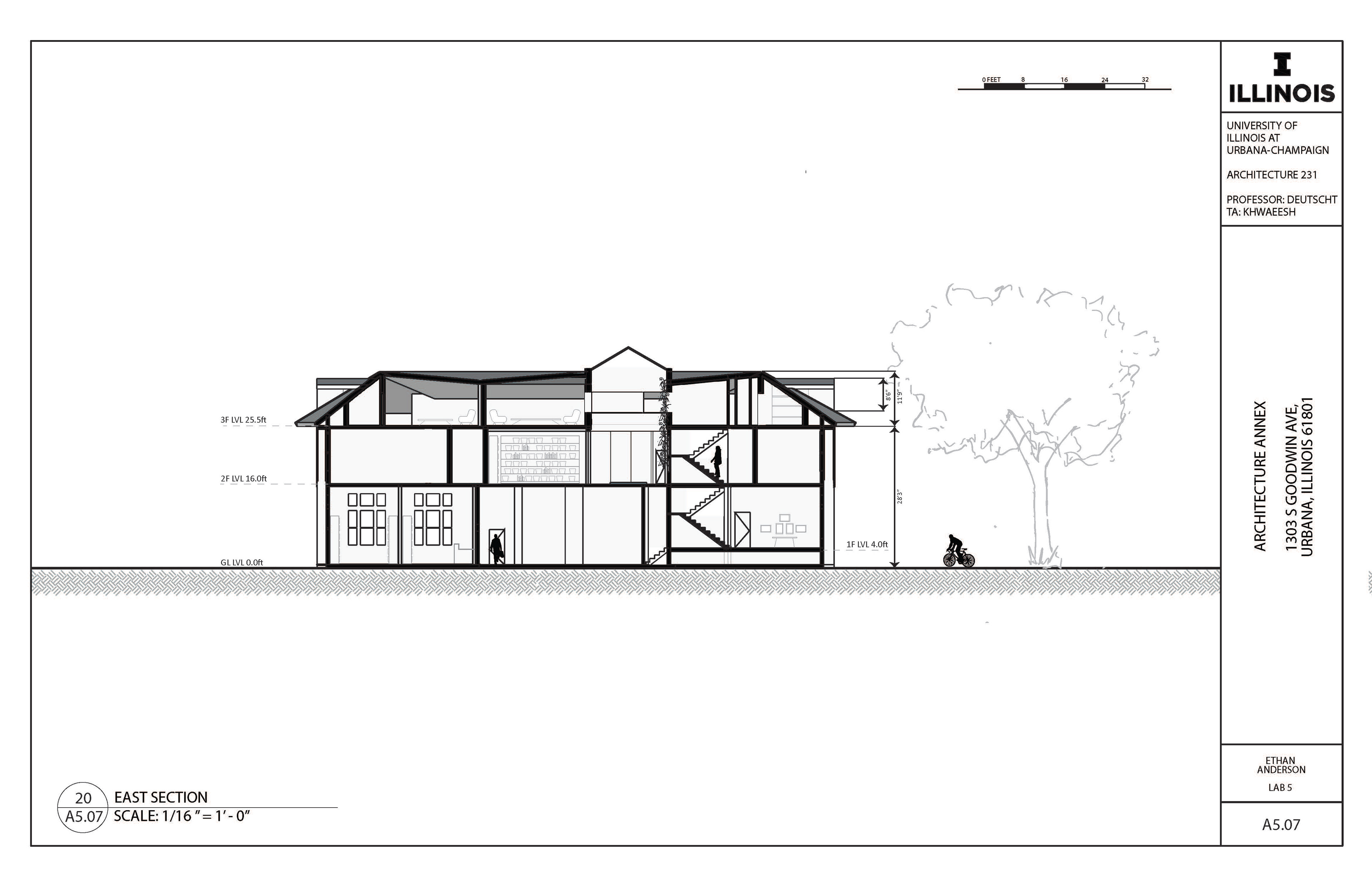
Section/Elevation:
Dormers, skylights, and
successive renovations create
dynamic elevations and sections,
revealing layers of the building’s
history as they’re uncovered.
The addition of roof windows
grants a peek of the intervention
inside, enticing passerby’s to explore.
successive renovations create
dynamic elevations and sections,
revealing layers of the building’s
history as they’re uncovered.
The addition of roof windows
grants a peek of the intervention
inside, enticing passerby’s to explore.
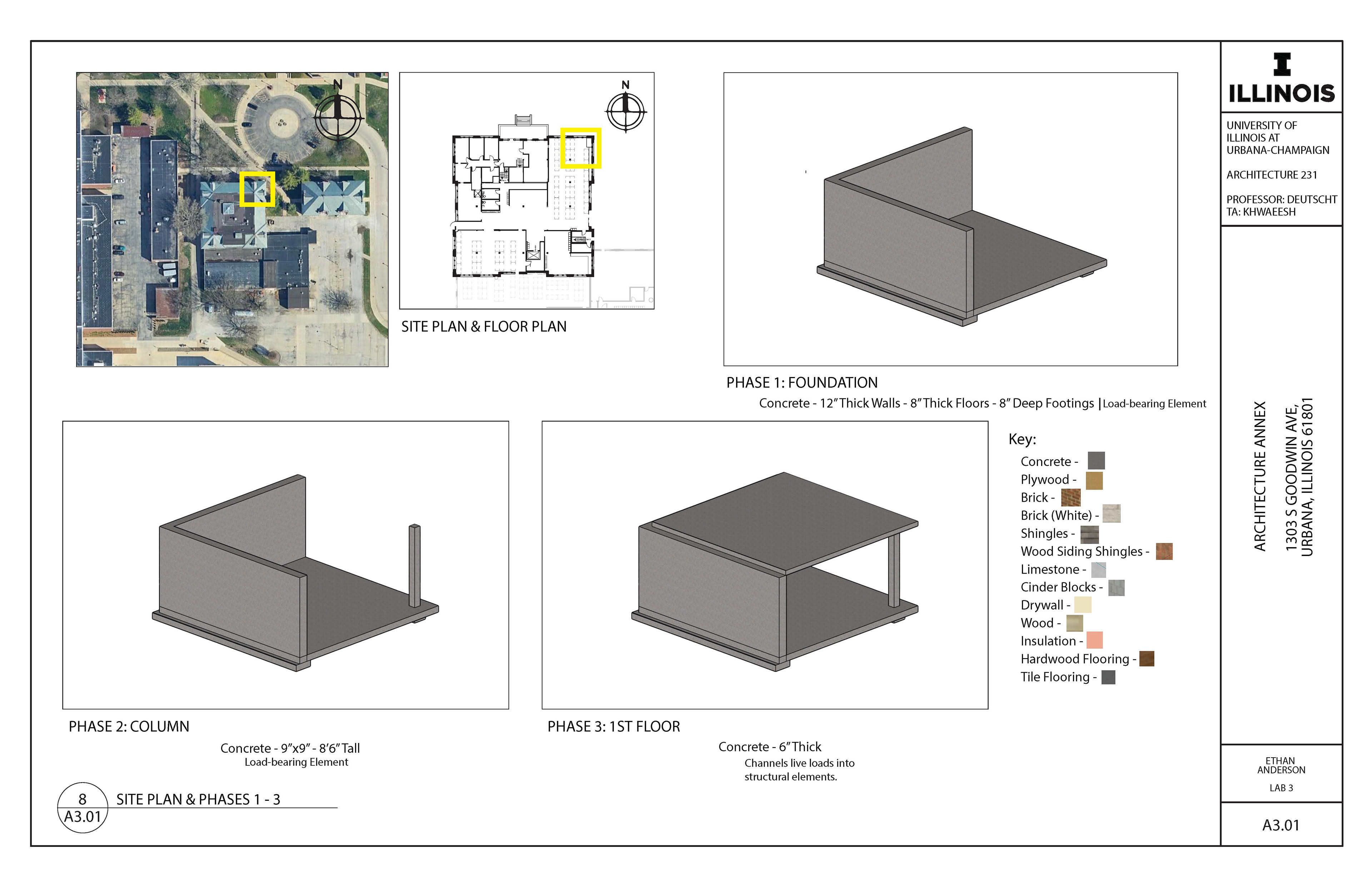
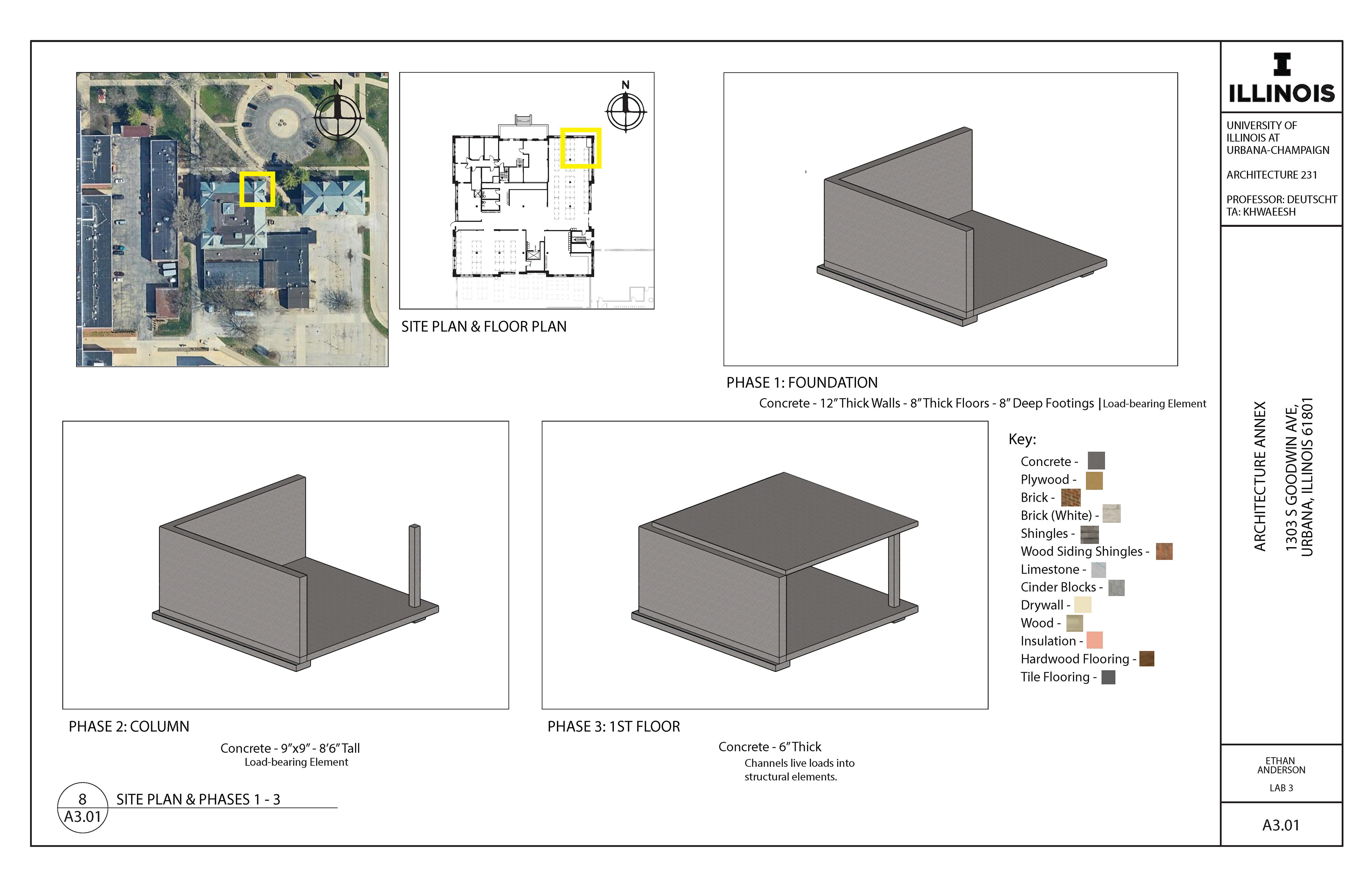
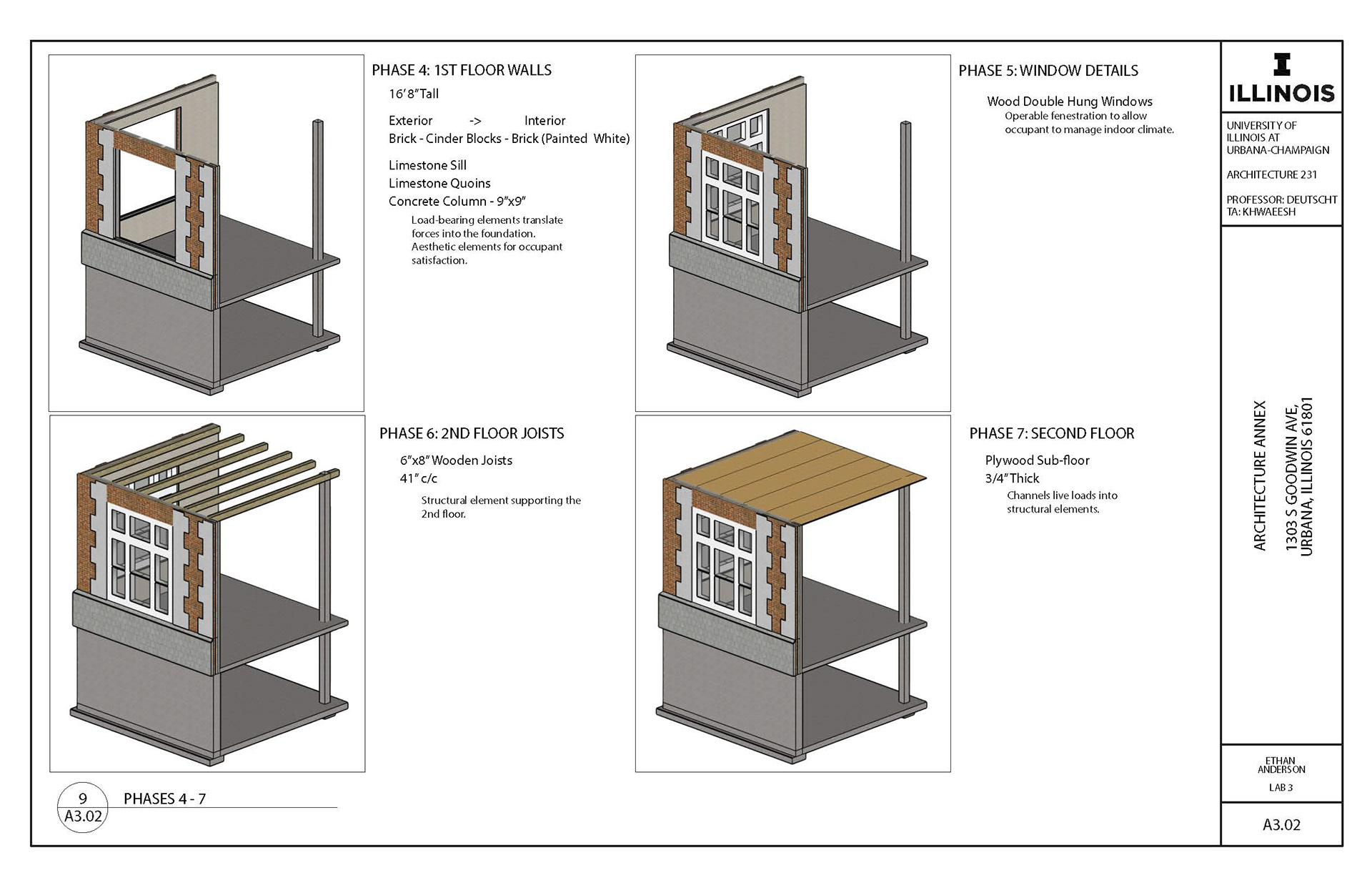
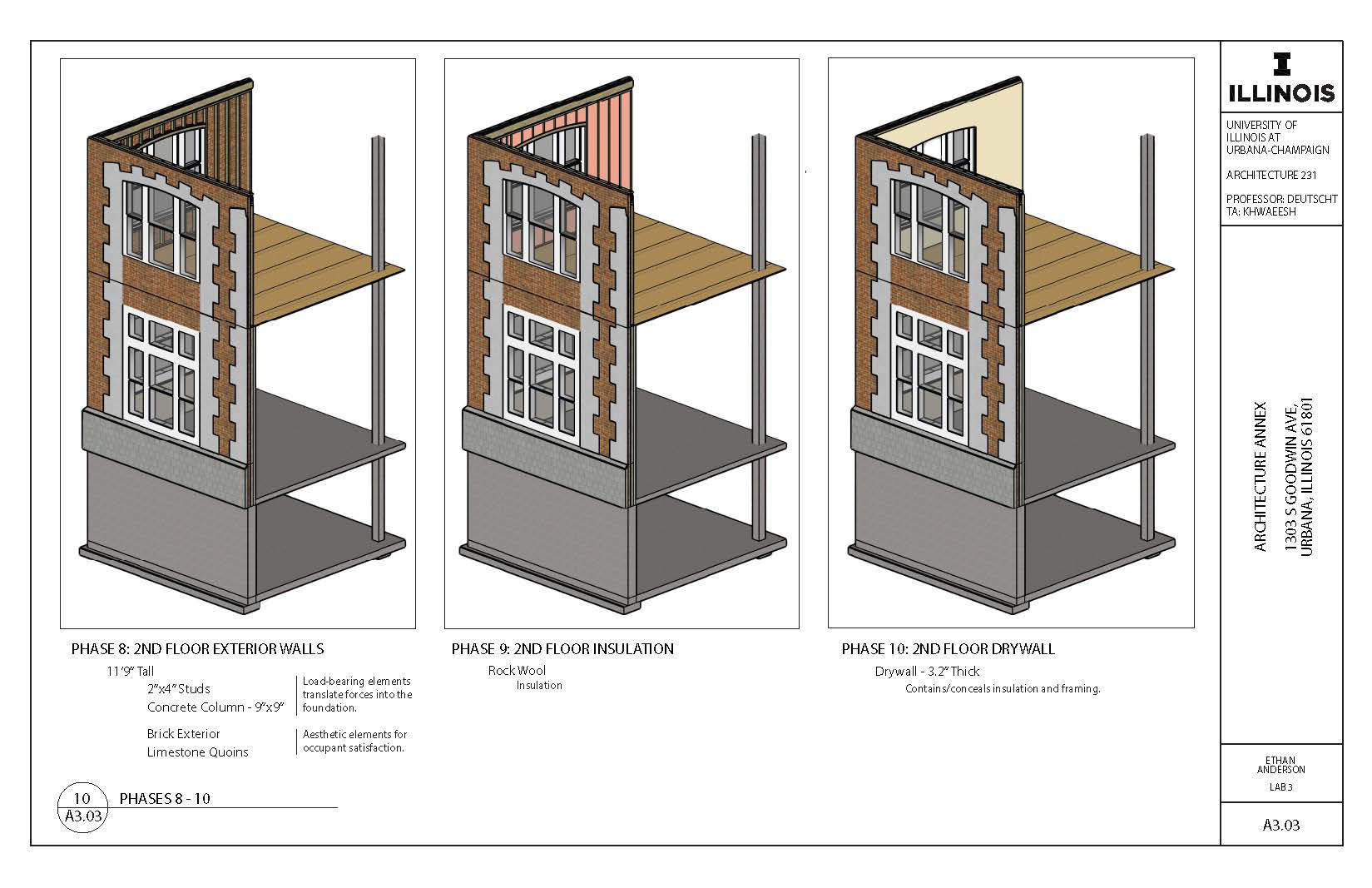
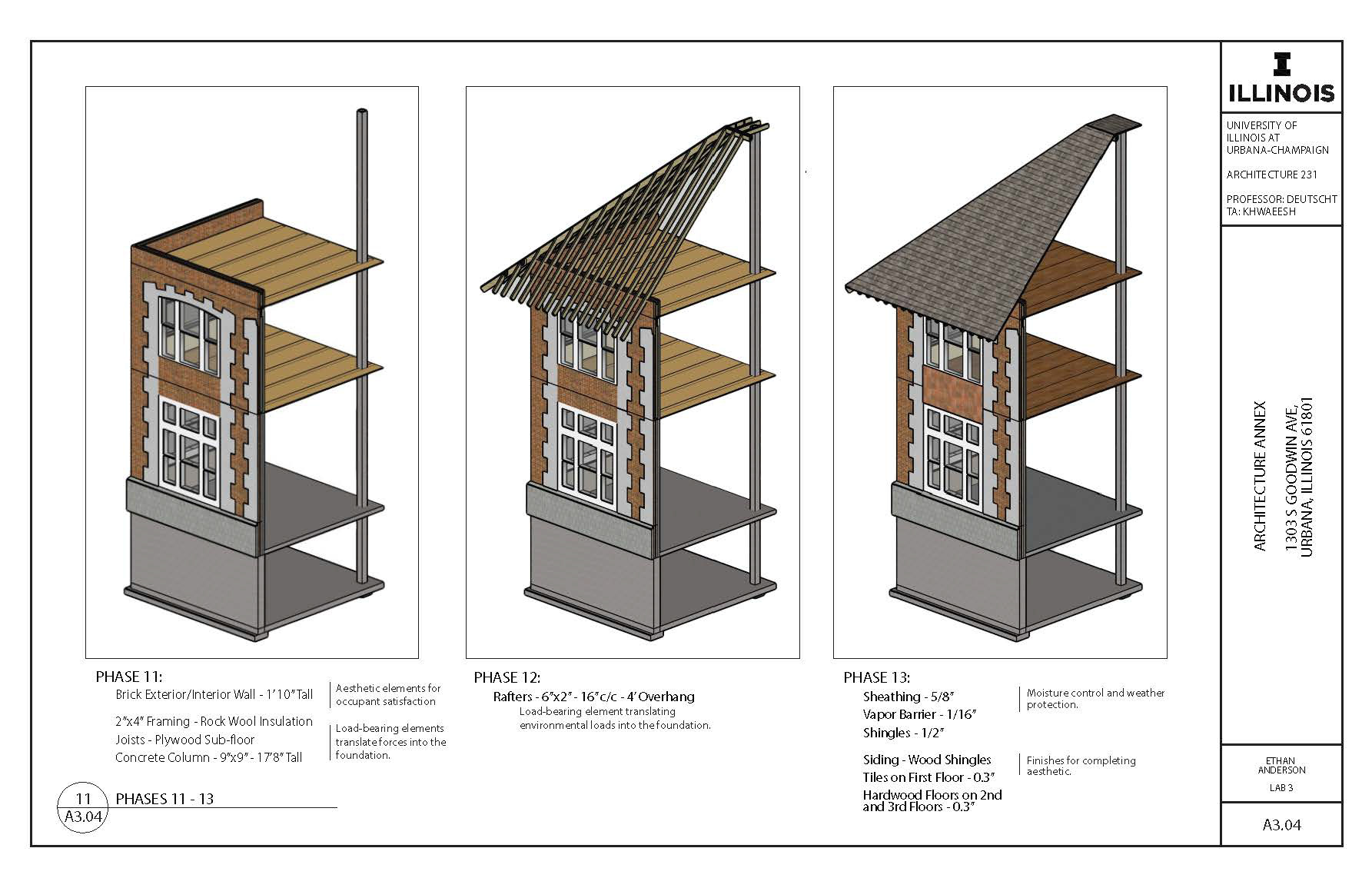
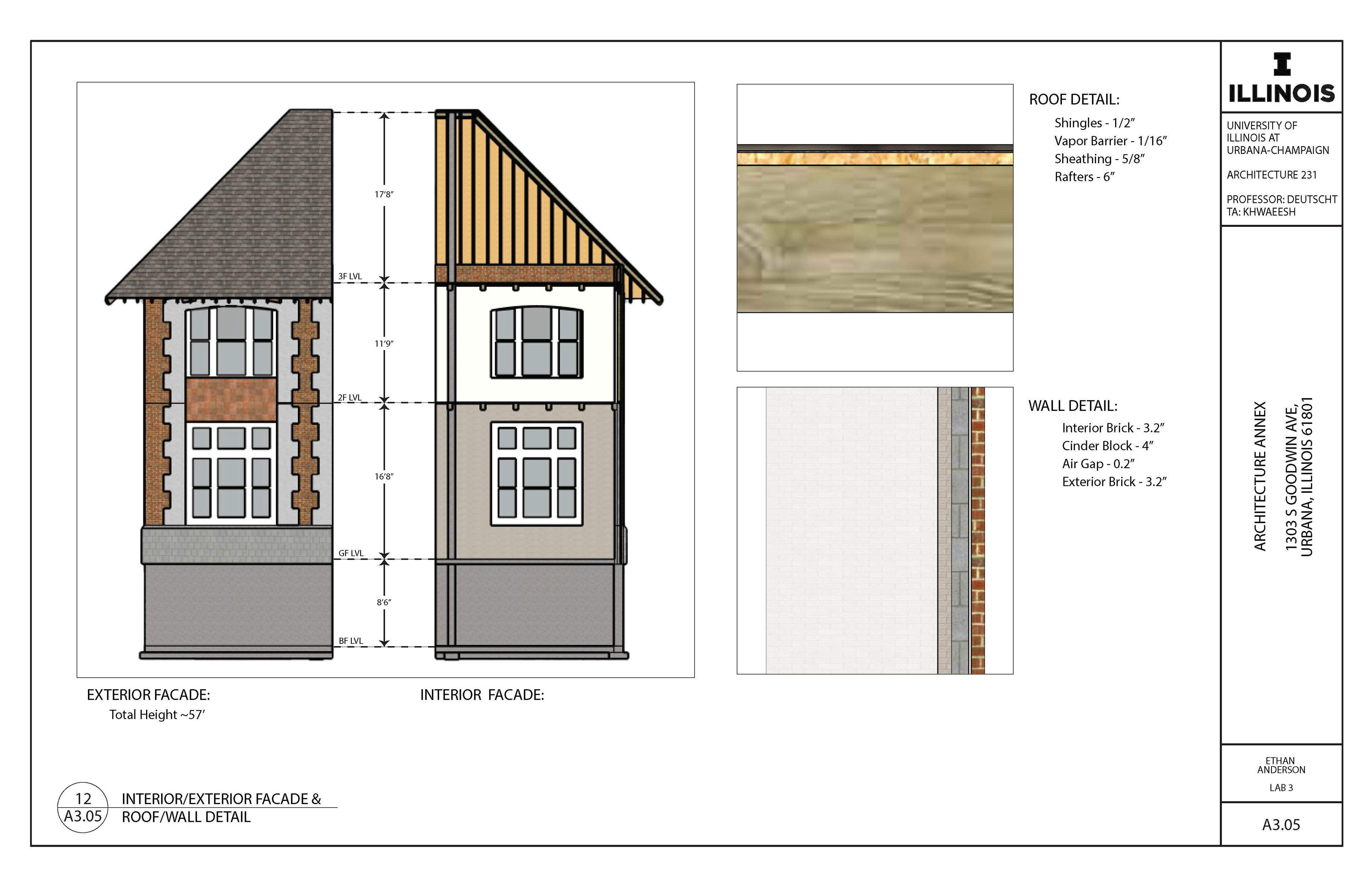
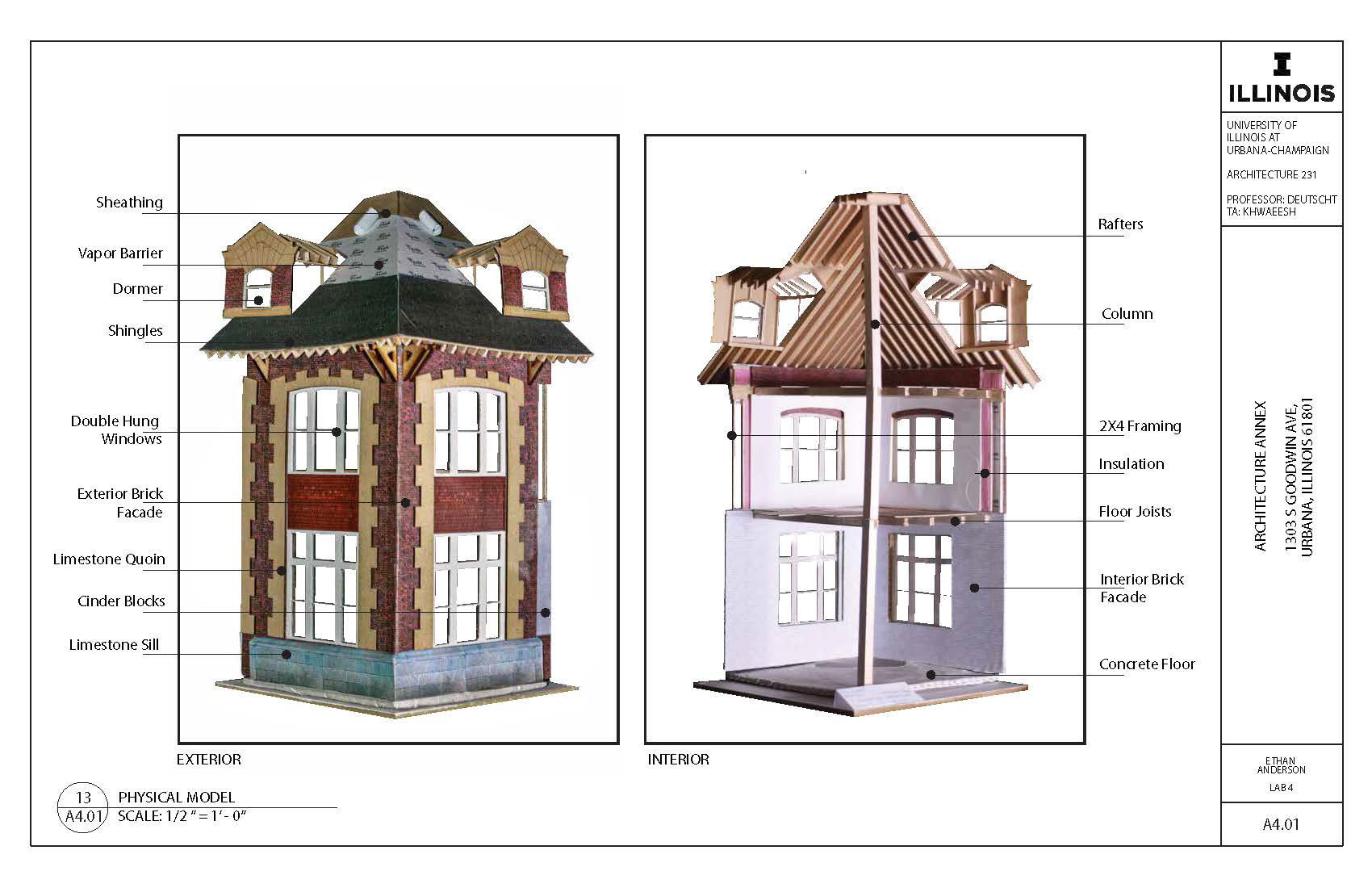
Building Sequence:
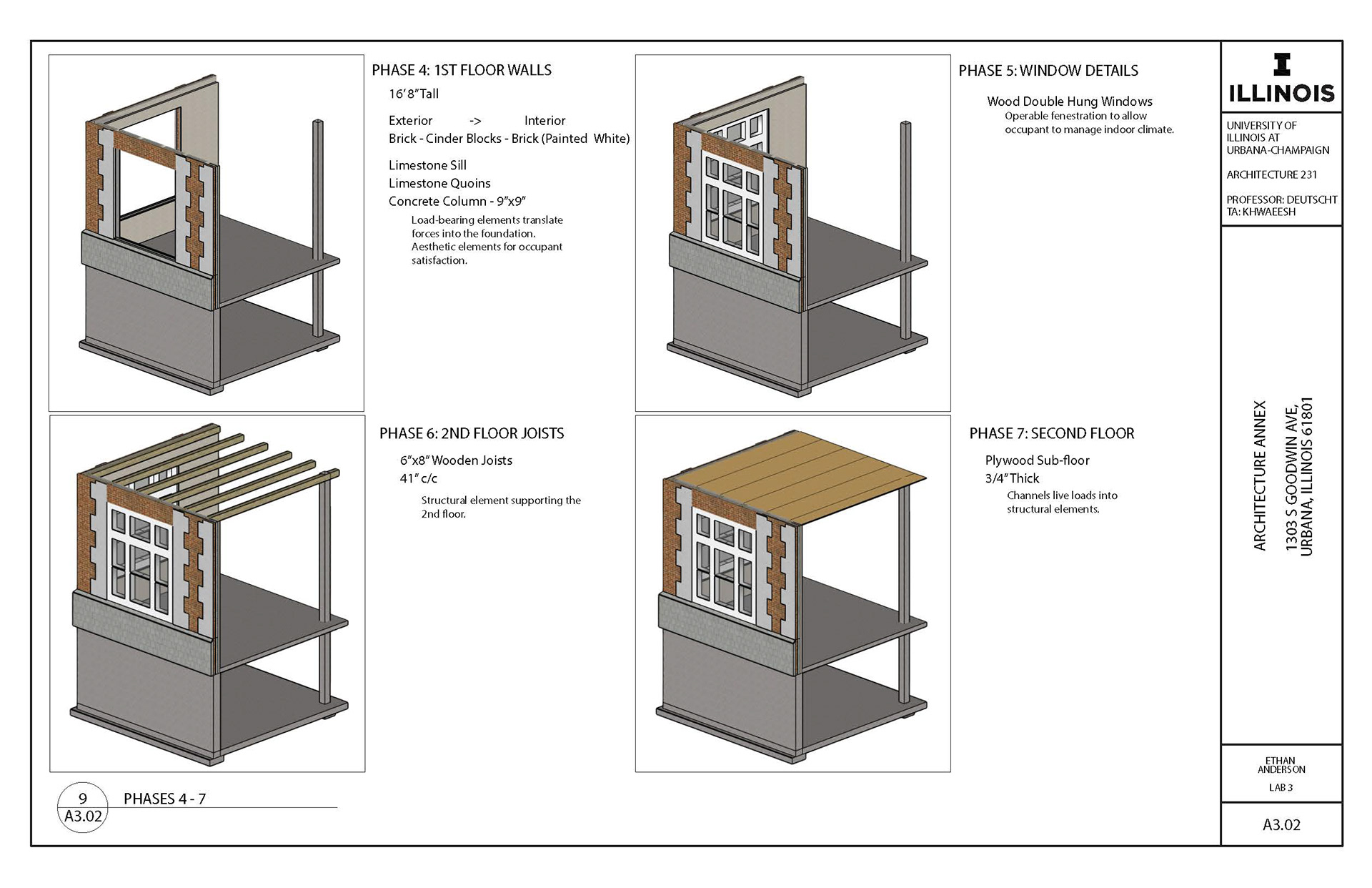
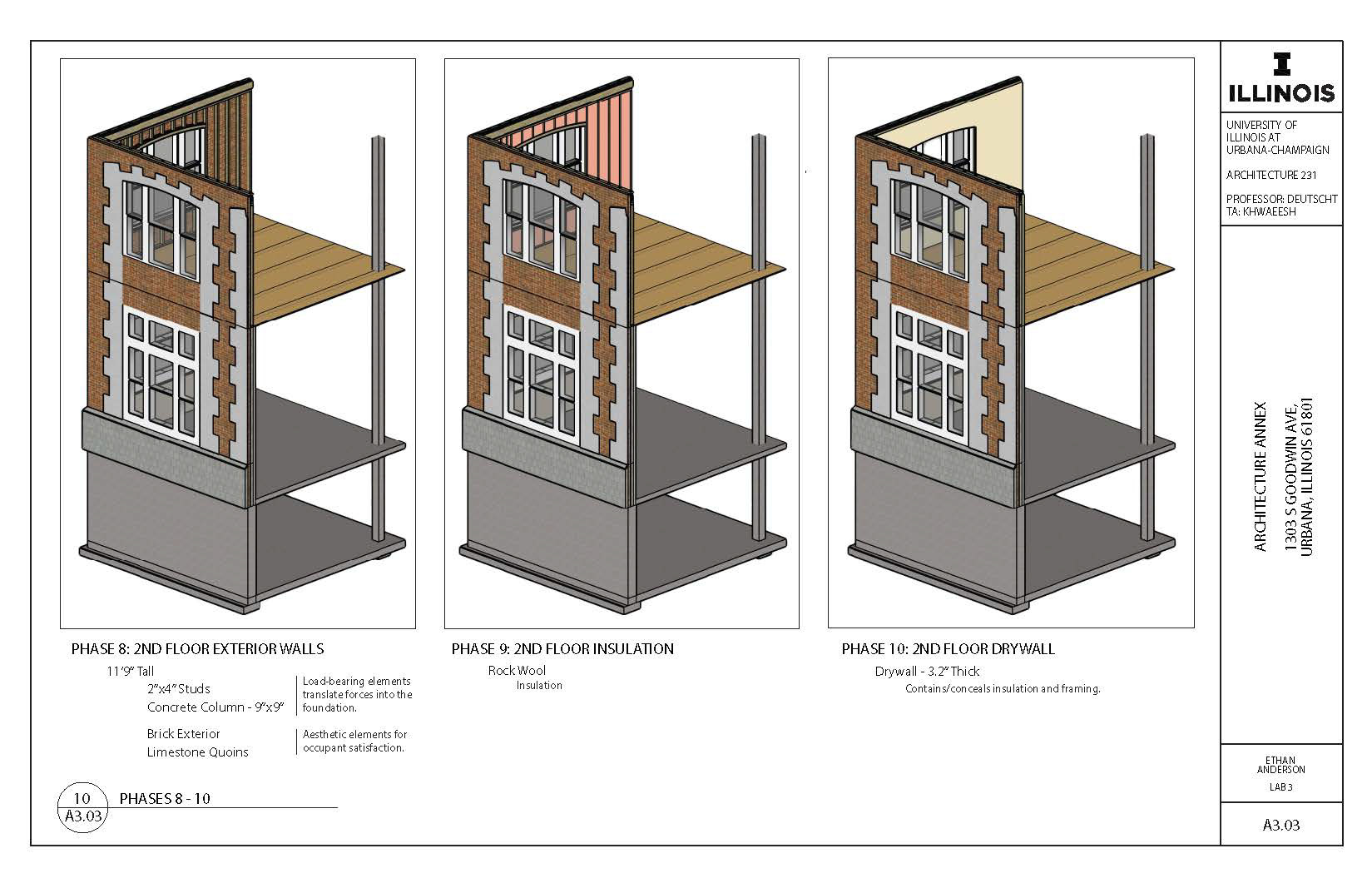
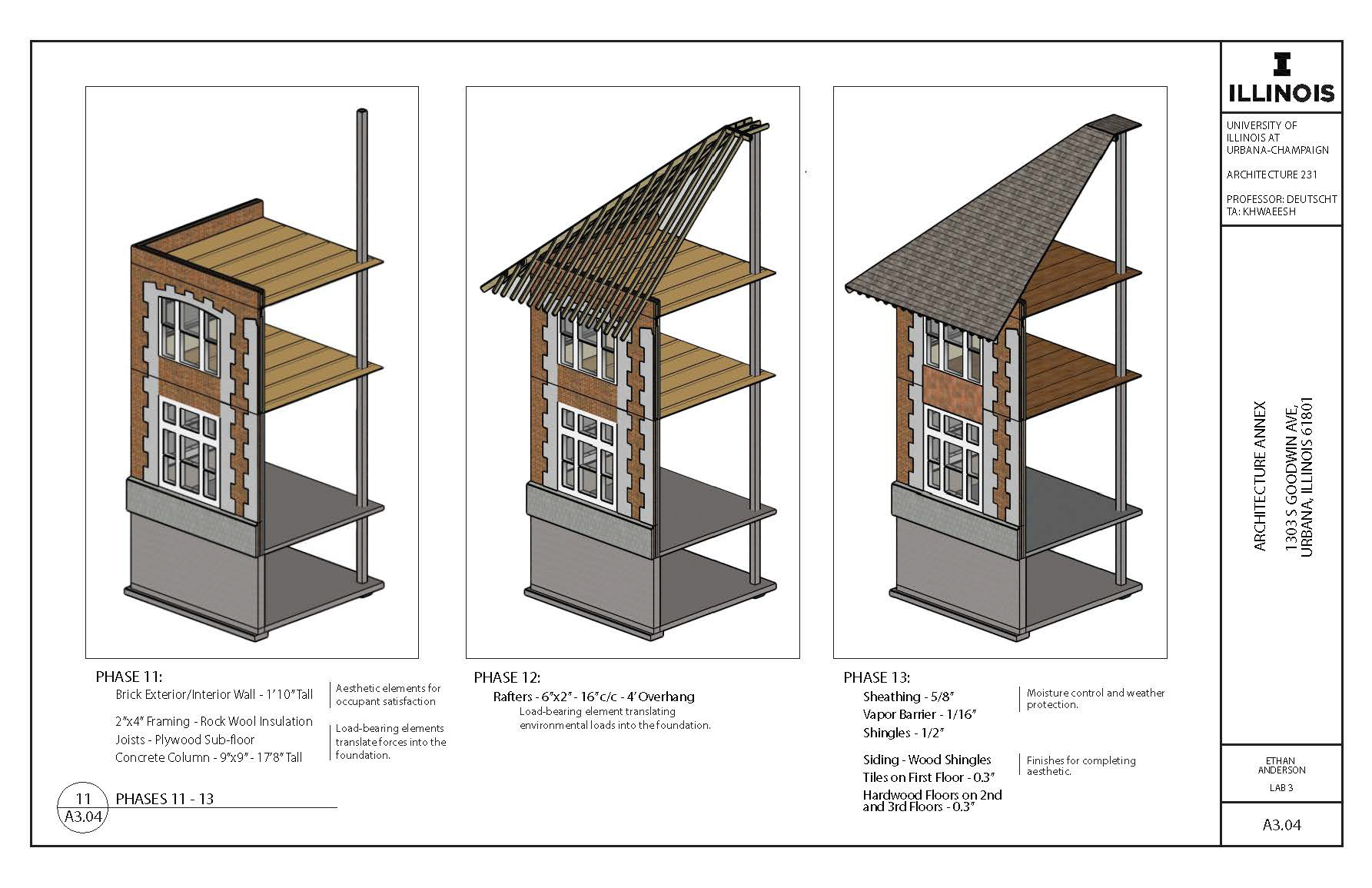
The recreation of the
Architecture Annex’s
building sequence provided
the opportunity to explore
and empathize with its
structure before beginning
with the design of my
intervention.
Architecture Annex’s
building sequence provided
the opportunity to explore
and empathize with its
structure before beginning
with the design of my
intervention.
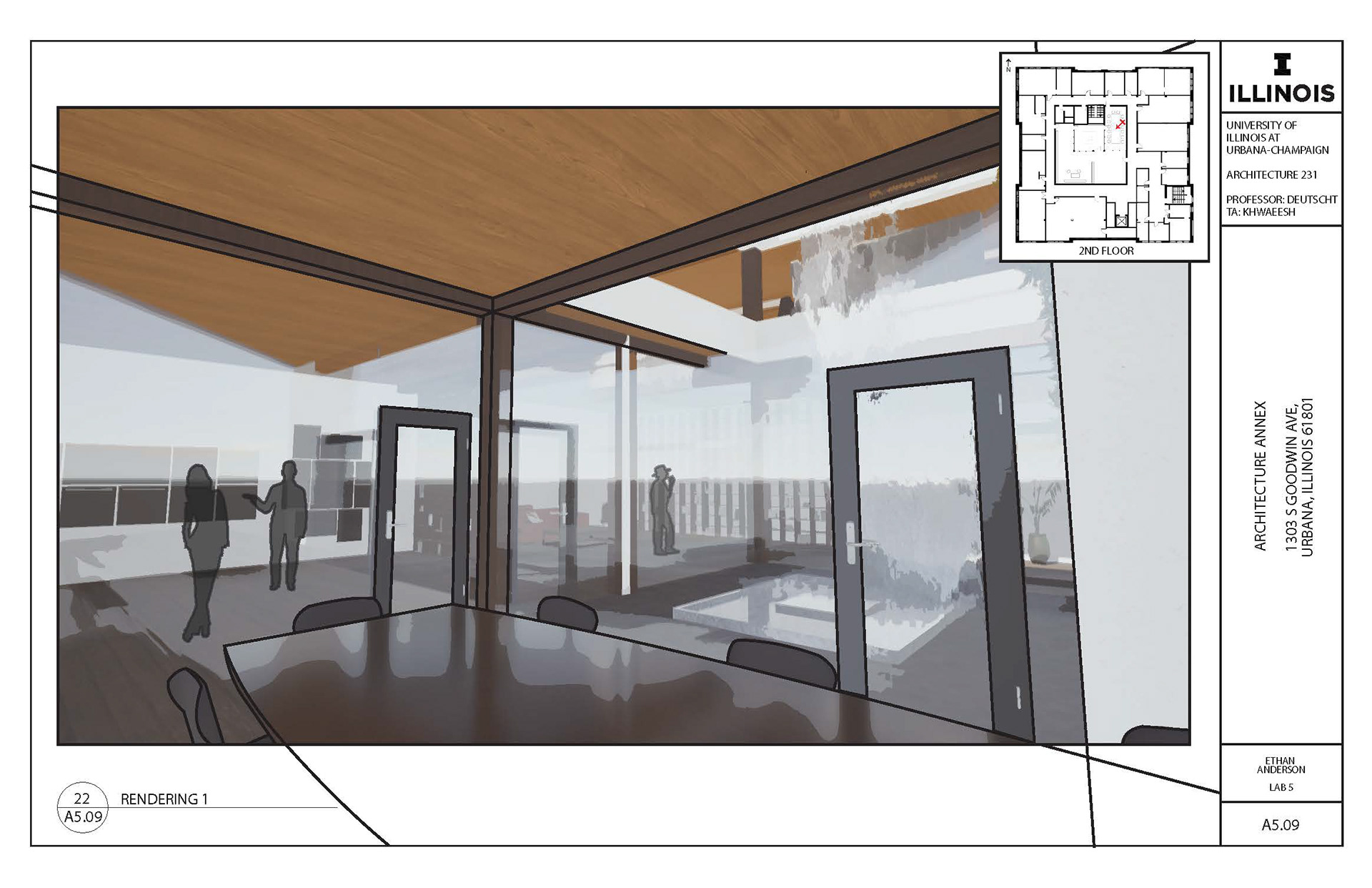
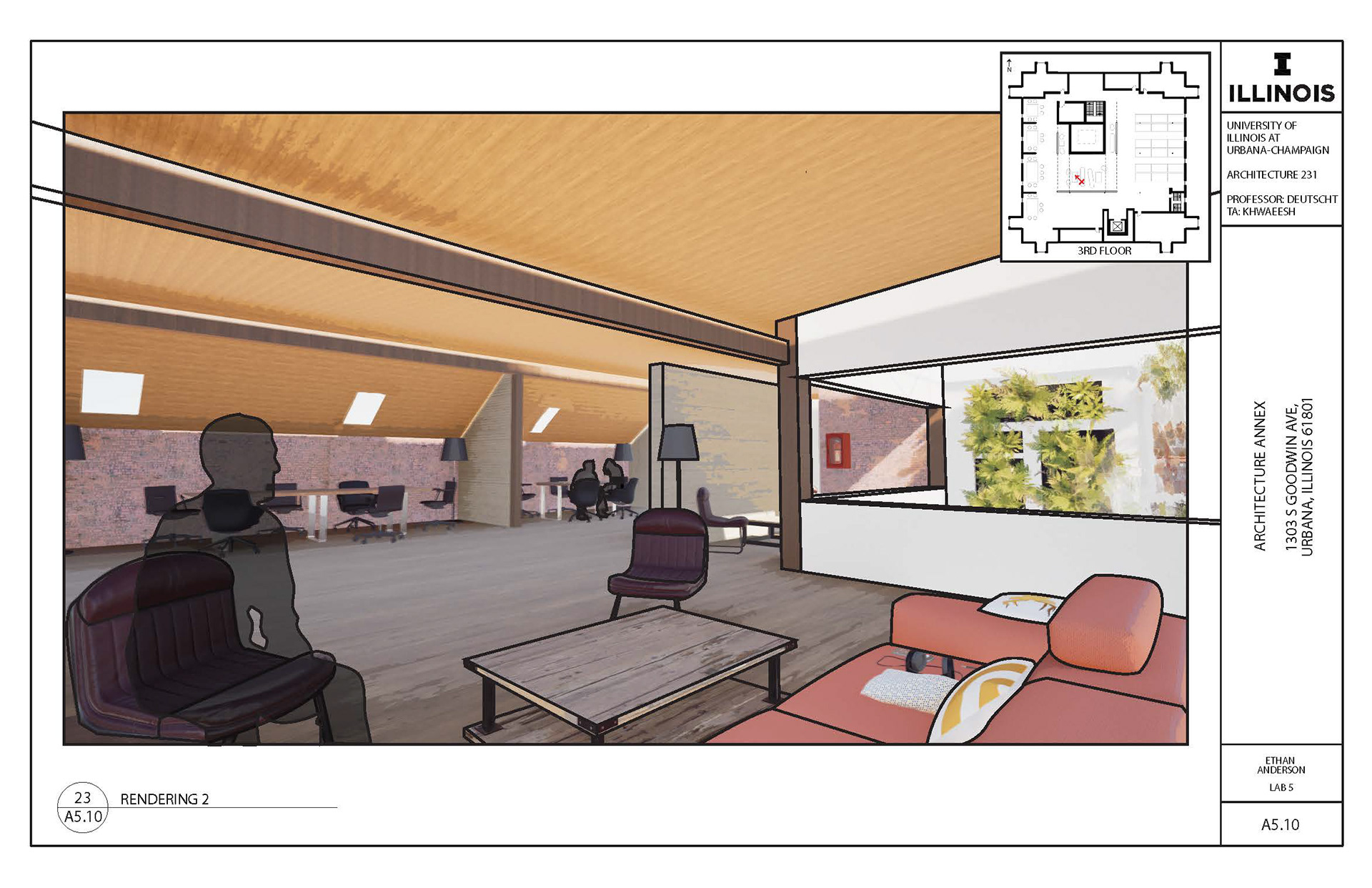
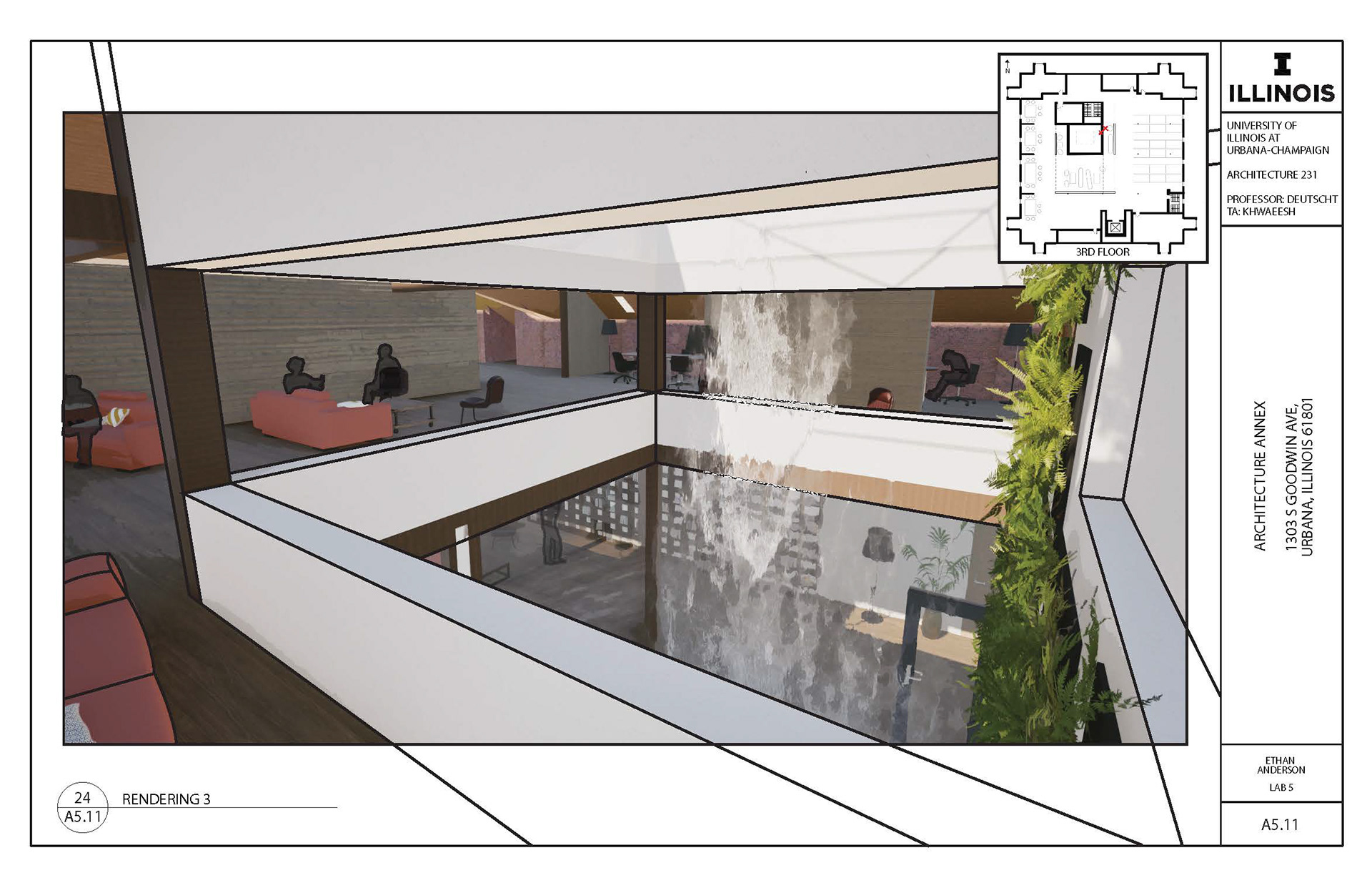
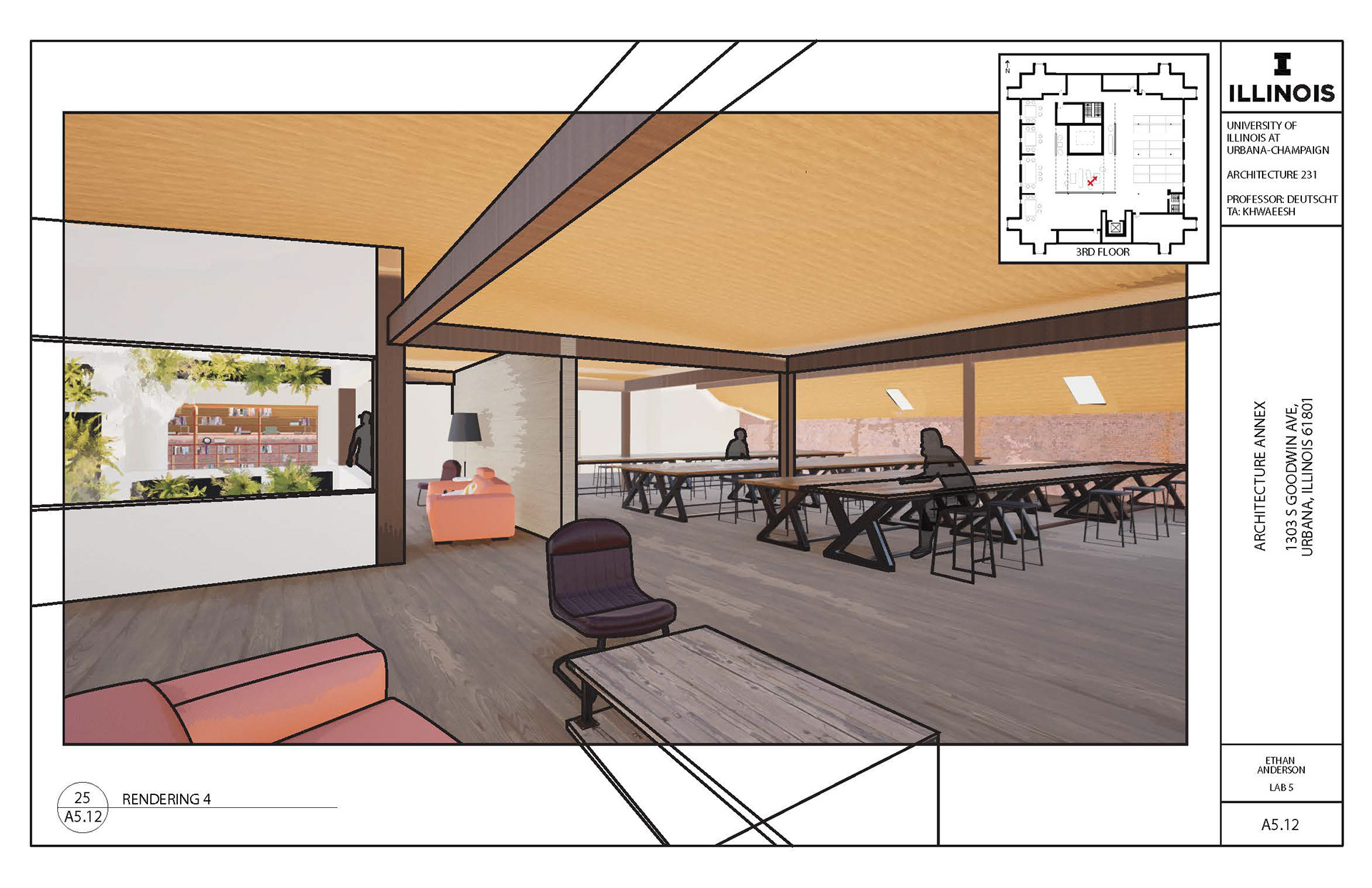
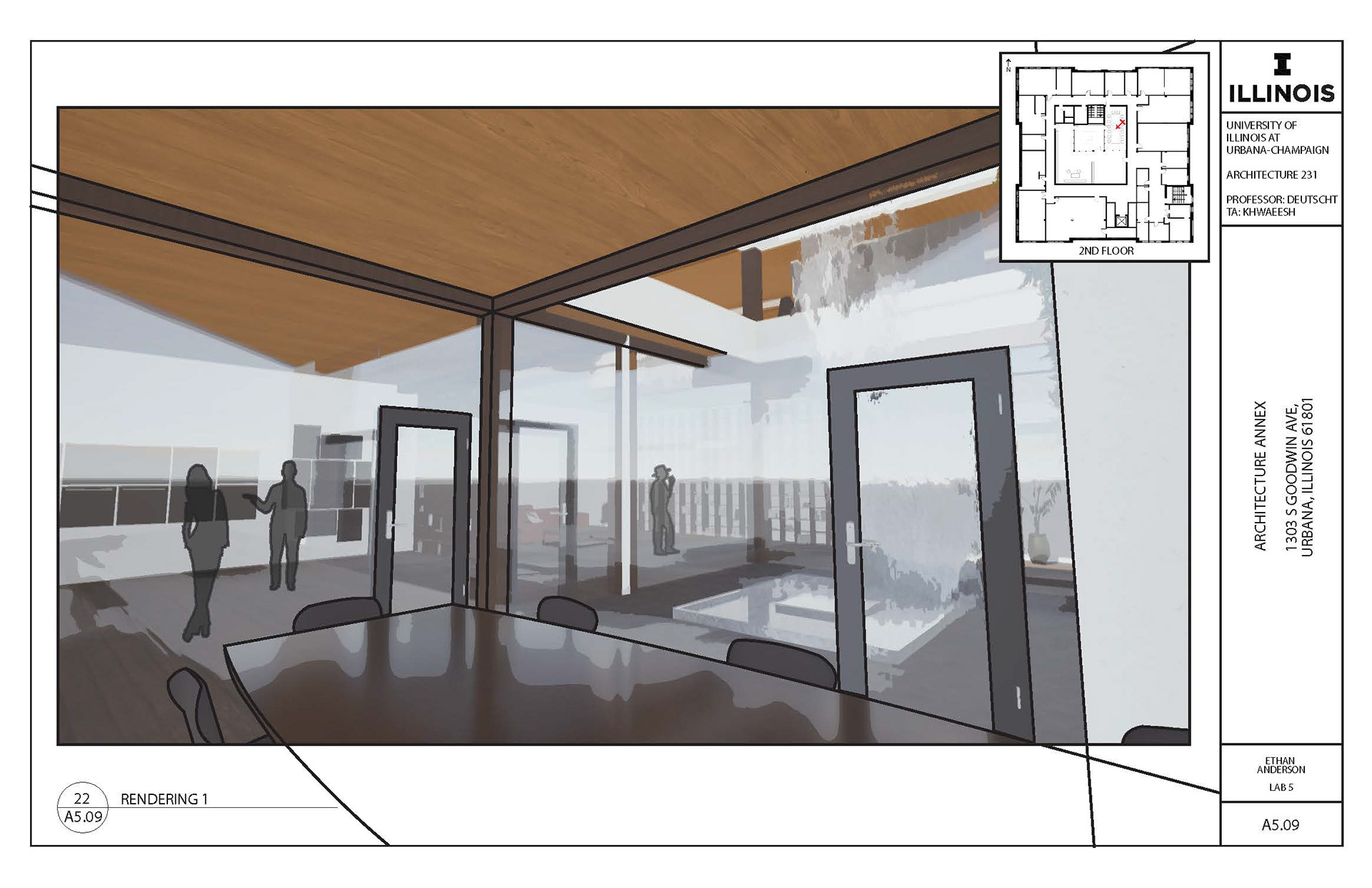
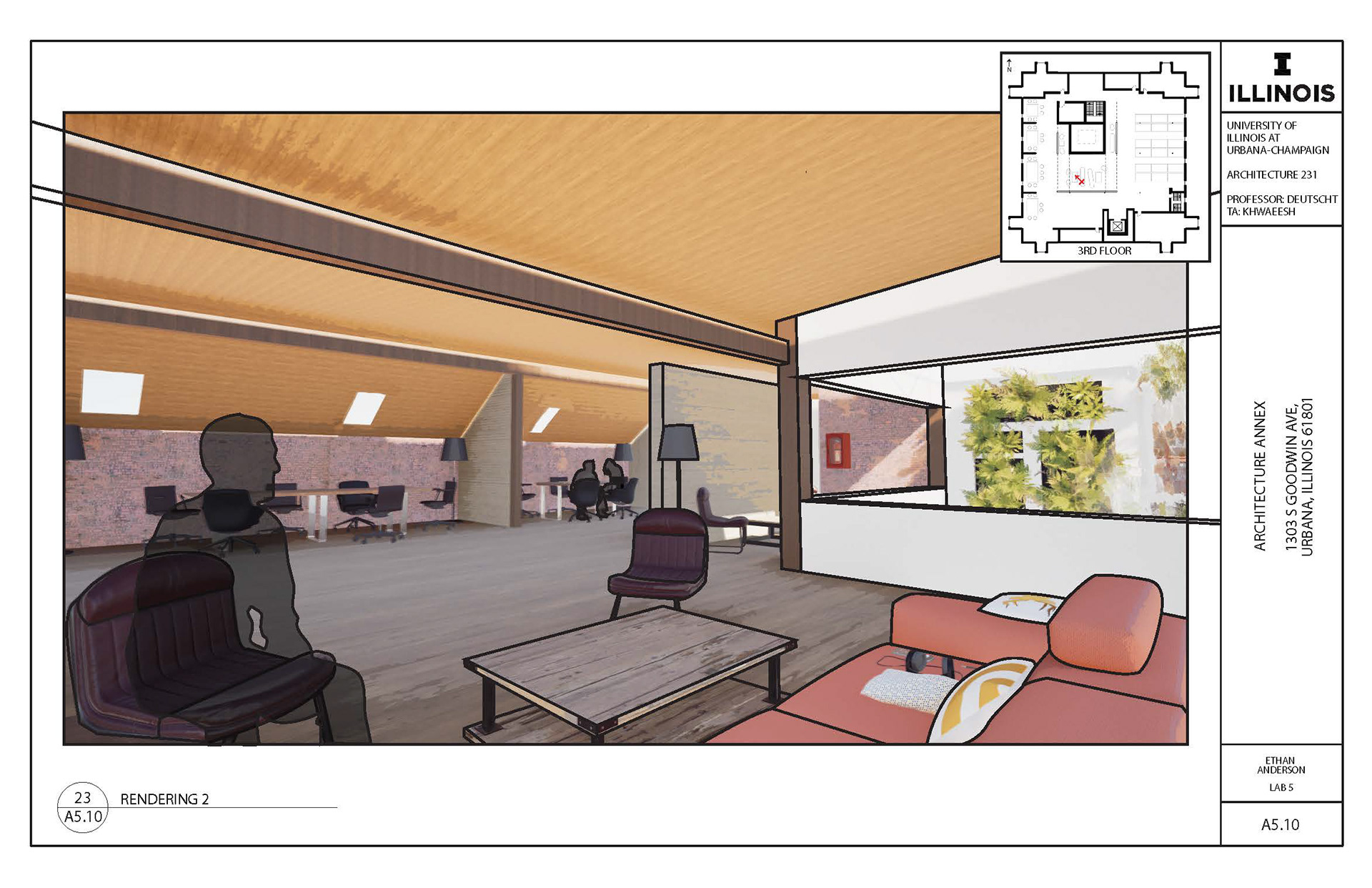
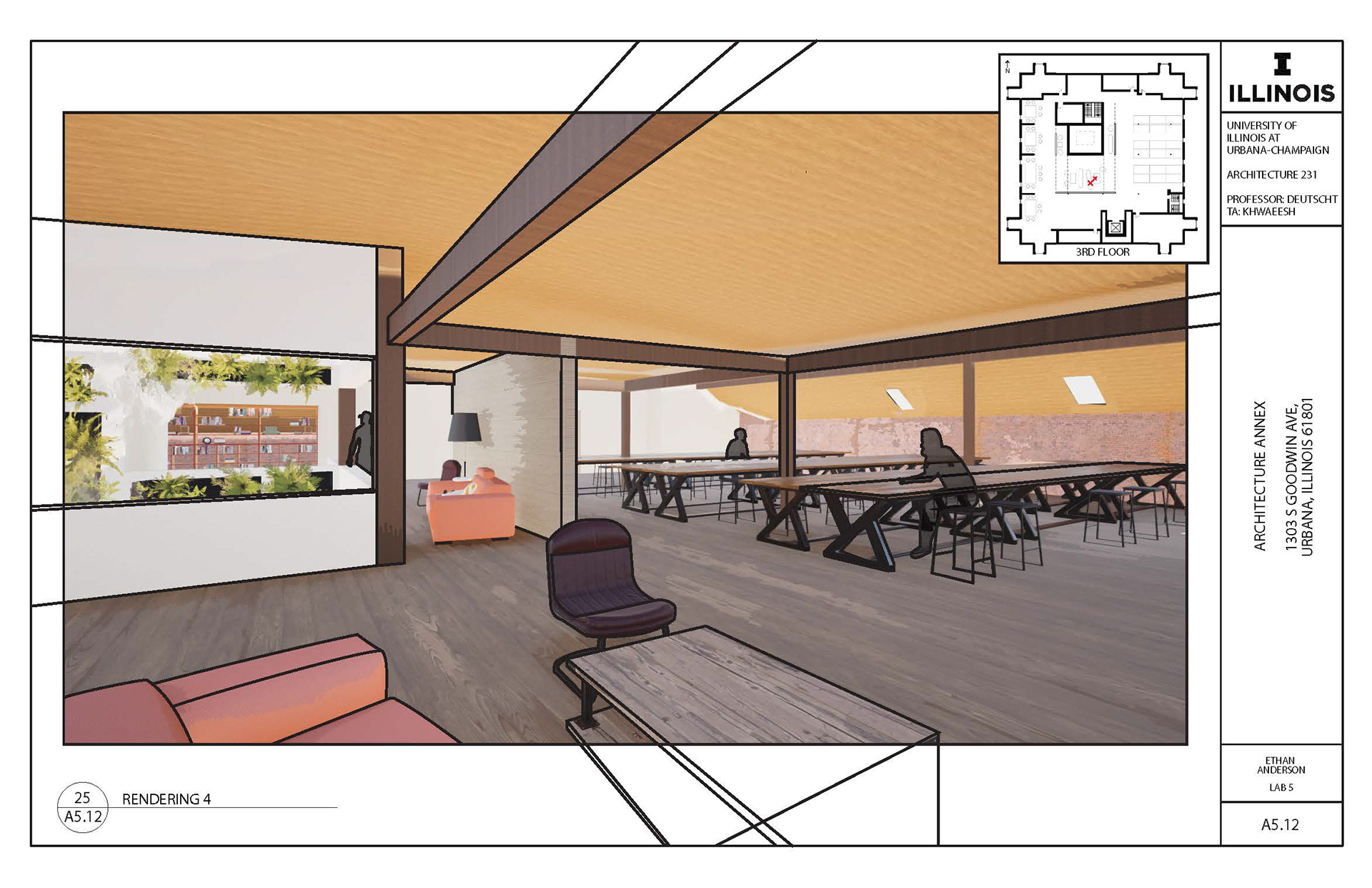
The Open Secrets design intervention enhances natural illumination by maximizing light
from the central Light Court through the implementation of an interior ribbon window,
seamlessly distributing daylight throughout the space. The layout offers a variety of
spatial experiences, ranging from open, social, and collaborative areas to more intimate,
private zones. Materials are intentionally left bare and unornamented, celebrating their
natural beauty—particularly the load-bearing wooden posts and beams, which provide
both structural integrity and a strong visual presence within the space. The ultimate goal
was to create a sensation of openness and lightness - an experience that feels both
surprising and liberating in the typically cramped and harshly lit cores of most buildings.
from the central Light Court through the implementation of an interior ribbon window,
seamlessly distributing daylight throughout the space. The layout offers a variety of
spatial experiences, ranging from open, social, and collaborative areas to more intimate,
private zones. Materials are intentionally left bare and unornamented, celebrating their
natural beauty—particularly the load-bearing wooden posts and beams, which provide
both structural integrity and a strong visual presence within the space. The ultimate goal
was to create a sensation of openness and lightness - an experience that feels both
surprising and liberating in the typically cramped and harshly lit cores of most buildings.
Final Book: